
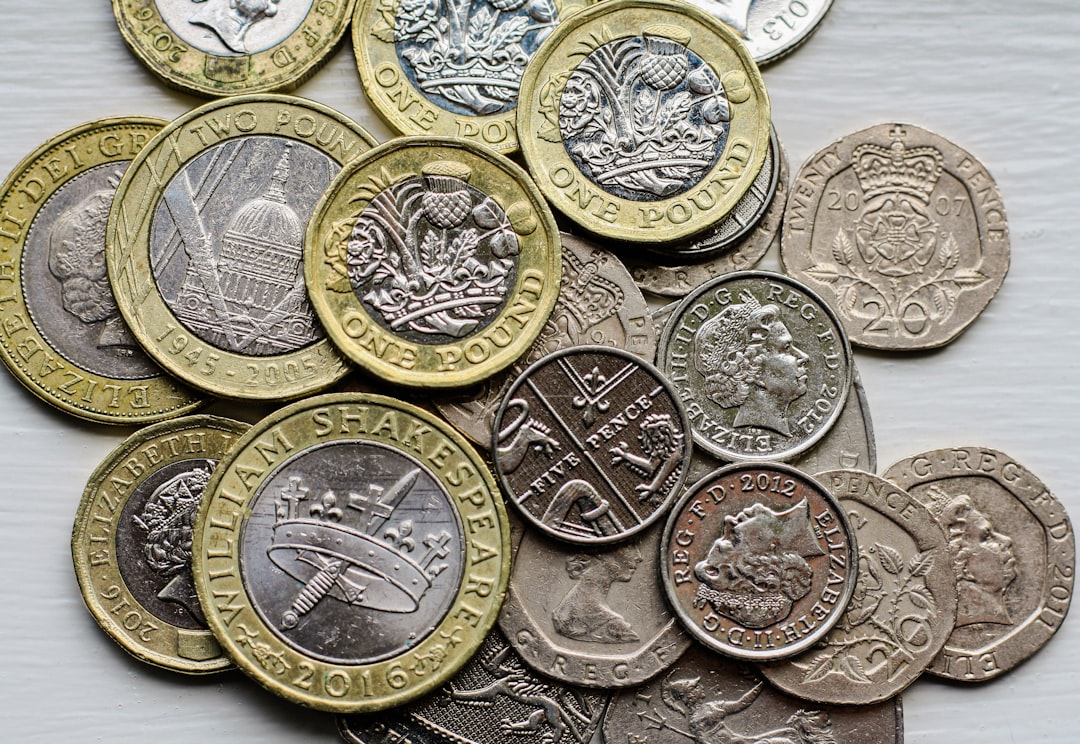
Photo by Sarah Agnew on Unsplash
An emergency fund is money set aside specifically for unexpected expenses or income loss — not for holidays, not for planned purchases, not for investment. It sits in an accessible account doing nothing except being there when you need it.
Without one, a single unexpected event (car breakdown, boiler failure, job loss, illness) puts you into debt. With one, the same event is a manageable inconvenience rather than a financial crisis.
How Much Should You Save?
The standard recommendation is 3–6 months of essential expenses. “Essential expenses” means the non-negotiable monthly costs: rent/mortgage, utilities, food, minimum debt repayments, insurance, transport to work.
3 months: Appropriate if you have a secure job with good employer sick pay, no dependants, and low financial risk overall.
6 months: More appropriate if you’re self-employed or freelance (income can be irregular), in a less stable industry, have dependants, have a variable income, or are the sole earner in a household.
Calculate your target: Add up your monthly essential expenses. Multiply by 3 or 6. That’s your emergency fund target.
Example: Essential expenses of £1,500/month → emergency fund target of £4,500 (3 months) to £9,000 (6 months).
Where to Keep an Emergency Fund
An emergency fund must be:
1. Accessible immediately — not locked away with a notice period
2. Safe — not invested in the stock market, where value can drop 30% right when you need it most
3. Separate from your current account — if it’s mixed with everyday spending money, it gets spent on non-emergencies
The right home for most emergency funds is an easy-access savings account.
Best easy-access savings accounts in the UK:
– Marcus by Goldman Sachs
– Chip
– Plum
– Trading 212 Cash ISA (interest-bearing, ISA wrapper)
– Chase UK (competitive rates, app-based)
Compare current rates at MoneySupermarket or Raisin UK. Rates change frequently — what was the top rate 6 months ago may not be now.
Alternatively, a Cash ISA works well if you have ISA allowance available — interest is tax-free, and easy-access Cash ISAs are available.
Building the Emergency Fund: Where to Start
If you currently have no emergency fund and are starting from scratch:
Step 1: Open a separate savings account
Separation is psychological as much as financial. Money in a separate account with a debit card you don’t use day-to-day is much harder to spend casually.
Step 2: Set a mini-target first
£500–1,000 is a useful initial target — it covers many common emergencies (car repair, appliance failure, unexpected bill) and is achievable for most people within a few months. This mini-fund prevents debt from routine unexpected costs while you build toward the full target.
Step 3: Automate contributions
Set up a standing order for a set amount on payday. Paying yourself first (before discretionary spending) ensures the fund grows consistently. Even £50/month builds a meaningful fund over a year (£600 in 12 months).
Step 4: Boost contributions where possible
Tax refunds, bonuses, inheritance, selling items — any windfall that doesn’t need to be spent on something specific goes to the emergency fund until the target is hit.
How Long Will It Take?
| Monthly saving | 3-month fund (£4,500) | 6-month fund (£9,000) |
|---|---|---|
| £100/month | 3.75 years | 7.5 years |
| £200/month | 1.9 years | 3.75 years |
| £300/month | 15 months | 2.5 years |
| £500/month | 9 months | 18 months |
If the 6-month timeline looks discouraging, remember: a 1-month fund is vastly better than no fund, and 3 months is the realistic target for most people.
What Counts as an Emergency?
The emergency fund is for genuine financial emergencies:
– Job loss or significant income reduction
– Major unexpected home repairs (boiler, roof, plumbing)
– Car breakdown (if you need a car for work)
– Medical or dental costs not covered by the NHS
– Essential appliance failure
It is not for:
– Planned expenses (holidays, Christmas, car MOT — these should be saved for separately)
– Non-essential purchases that feel urgent in the moment
– Investment opportunities
The test: “If I didn’t have this money, would I need to borrow or go without something essential?” If yes, it’s an emergency. If no, it’s a want.
What If You Have High-Interest Debt?
If you have credit card or overdraft debt at high interest rates, the question of whether to clear debt or build savings first is legitimate.
A pragmatic approach: build a small emergency buffer first (£500–1,000) to prevent new borrowing, then clear high-interest debt aggressively before building the full 3–6 month fund. Without any buffer at all, the risk is that every unexpected expense goes back on the credit card.
Once the Fund Is Built
Once you reach your target, the emergency fund doesn’t need active management — just check the interest rate periodically to ensure you’re getting a competitive rate, and replenish promptly if you use it.
Additional savings beyond the emergency fund target are better deployed in investments (Stocks and Shares ISA) or pensions, where they can grow more significantly over time.
Summary
Building an emergency fund is the financial priority that makes everything else more stable:
- Target 3–6 months of essential expenses — 3 months for those with secure employment; 6 months for self-employed or sole earners
- Keep it in an easy-access savings account, separate from your current account — accessible immediately, not mixed with spending money
- Start with a mini-target of £500–1,000 — covers most routine emergencies while you build to the full amount
- Automate contributions on payday — savings happen before discretionary spending, not from what’s left over
- Replenish after use — the fund’s purpose is to be used; rebuild it promptly after drawing on it
Next read: How much should I save each month in the UK? | https://moneyunpacked.com/how-much-should-i-save-each-month-uk/