
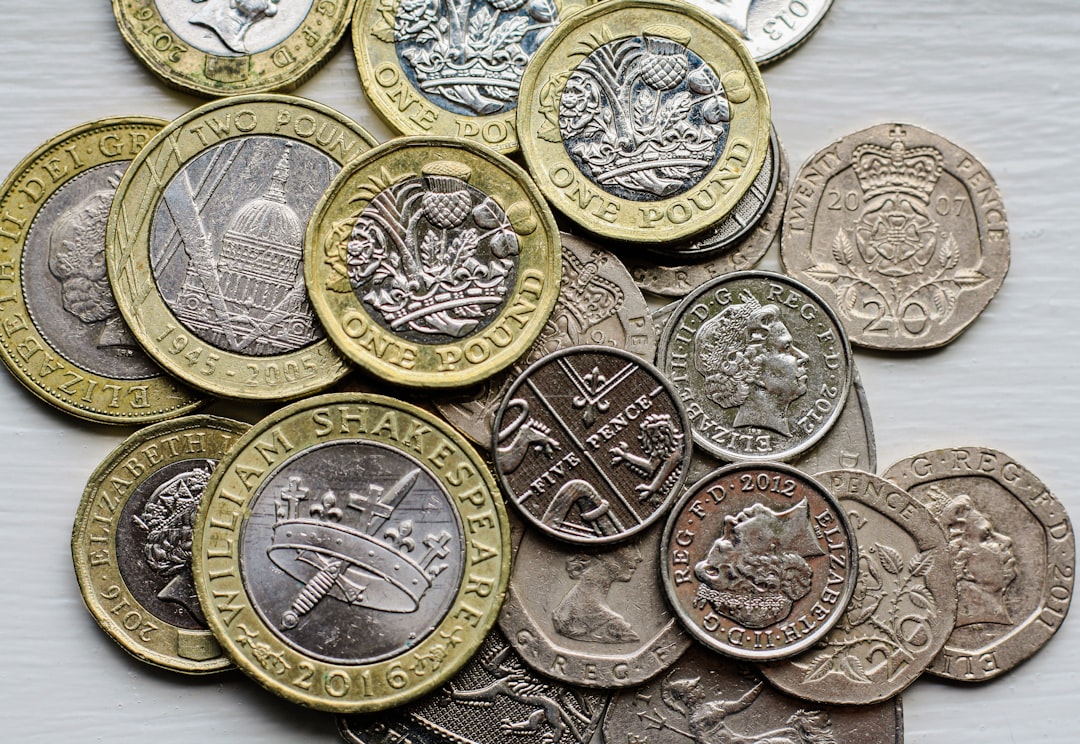
Photo by Sarah Agnew on Unsplash
Most current accounts pay no interest at all. But a handful of accounts do pay interest on your balance, offer cashback on direct debits, or come with perks that effectively pay you to hold them. For everyday money you keep in a current account rather than moving to a savings account, these accounts can return meaningful amounts over a year.
Note: specific rates and offers change frequently — always verify with the provider before opening an account.
Types of Reward on Current Accounts
Interest on current account balance: Some accounts pay a percentage interest rate on the money you keep in the account. This is usually capped (e.g., interest on the first £1,500–£5,000) and typically below what you’d earn in a dedicated savings account, but it’s effortless — you don’t need to actively move money.
Cashback on direct debits: Some accounts pay cashback on bills you pay by direct debit — energy, broadband, council tax, water. This can add up to £5–£15/month depending on your bills.
Cashback on debit card spending: Some accounts offer a percentage back on debit card purchases — useful for people who spend significantly on a debit card rather than a credit card.
Linked savings pots: Some modern bank apps (Monzo, Starling, Chase) let you hold savings “spaces” or “pots” separately within the account, earning a higher rate than the main account balance.
What to Look For
Minimum pay-in requirements: Many reward current accounts require a minimum monthly pay-in (typically £500–£1,500). This is easily met if you have your salary paid in, but worth checking.
Monthly account fees: Some accounts charge a monthly fee (£3–£20) in exchange for benefits — insurance, cashback, interest. Calculate whether the benefits exceed the fee before signing up.
Interest caps: Where accounts pay interest, it’s usually capped at a certain balance. Check whether your typical balance falls within the cap.
Switching bonuses: Many of the same accounts that pay interest also offer switching bonuses for new customers — typically £100–£200 paid after a few months. Factor this into the comparison.
Types of Accounts Worth Considering
Rather than listing specific accounts (which change frequently), the categories to look at are:
Chase (UK): Since launching in the UK, has offered a competitive interest rate on the current account balance and cashback on debit card spending. No monthly fee. Check current rates.
Nationwide FlexDirect: Historically offered a high promotional interest rate for the first year on new customers, reverting to a lower rate after 12 months. Requires a minimum monthly pay-in.
Starling Bank: No interest on main balance but offers connected saving spaces with competitive rates. Strong app; no fees.
Monzo: Similarly offers savings “pots” separately, with the option to connect a linked savings account paying a competitive rate. No interest on main balance.
Packaged bank accounts (e.g., Halifax Reward, Lloyds Club): These charge a monthly fee but include benefits like travel insurance, breakdown cover, or a fixed monthly cashback. Only worth having if you’d use the benefits — otherwise you’re paying for something you don’t need.
The Practical Approach: Combining Accounts
For most people, the most effective setup is:
- A fee-free current account as the primary account for salary, direct debits, and everyday spending (Monzo, Starling, or Chase are widely liked for app quality)
- A high-rate easy-access savings account for money you don’t need immediately — rather than trying to optimise the current account interest rate
- Keep only the minimum needed in the current account — move excess to the savings account where you’ll earn more
This is almost always more effective than trying to earn interest on a current account balance, because savings account rates typically exceed current account rates by a meaningful margin.
Is a High-Interest Current Account Worth Switching For?
It depends on whether you regularly hold a significant balance in your current account. If you move money to a savings account efficiently, the current account balance may be small and the interest minimal.
Where high-interest current accounts make the most sense:
– You receive a salary mid-month and pay large bills throughout the month, meaning a significant balance sits in the account for several weeks
– You want simplicity and don’t want to manage a separate savings account
– An account offers cashback on bills you’re paying anyway — the benefit is independent of your balance
Summary
High-interest current accounts can be worth having — but the benefit depends on your financial habits:
- Compare cashback on direct debits first — this is independent of your balance and can add up to £100+/year for people with significant household bills
- Check minimum pay-in requirements — most reward accounts require your salary paid in
- Factor in switching bonuses — a £150 switching bonus often exceeds the first year’s interest income
- For significant savings, use a dedicated savings account — current account interest is almost always lower than a competitive easy-access savings account
- Verify current rates — rates change frequently, and the “best” account changes with them
Next read: How to switch bank accounts UK | https://moneyunpacked.com/how-to-switch-bank-accounts-uk/