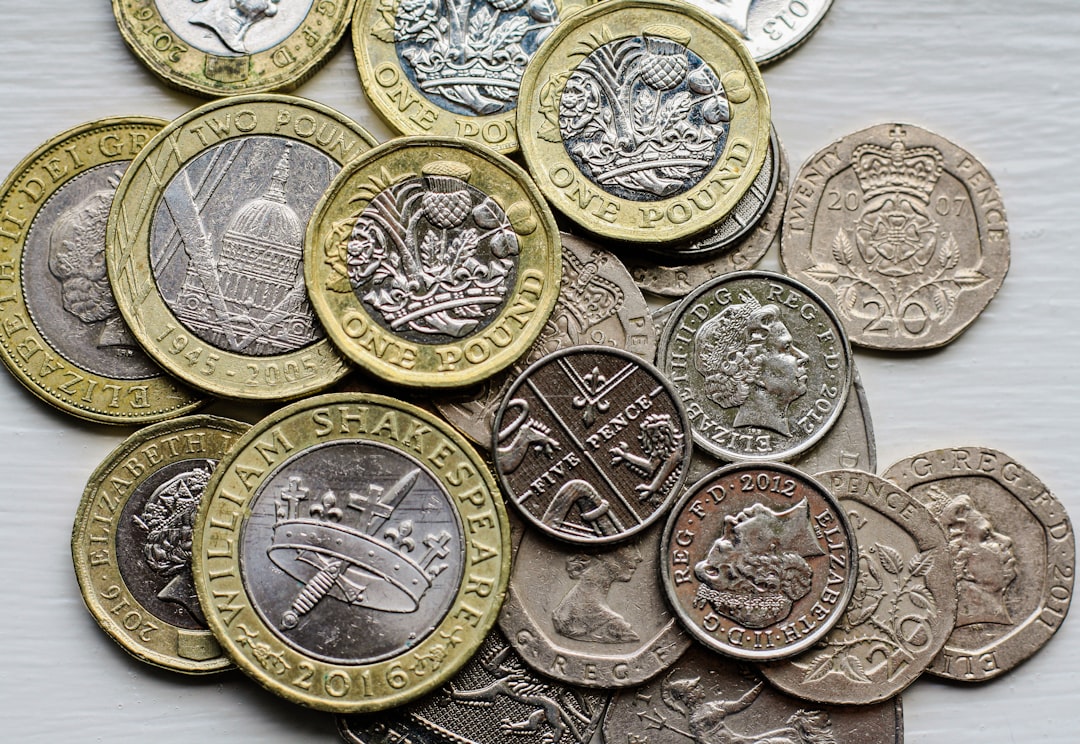
Photo by Sarah Agnew on Unsplash
The most common barrier to investing is believing you need a large sum to get started. You don’t. Many UK investment platforms allow you to start with £1, and a monthly contribution of £25–50 into a well-chosen fund will compound significantly over time.
Here’s where to start when you don’t have much to invest.
Before You Invest: The Order of Priority
Investing isn’t the right first step for everyone. Before putting money into investments, check these first:
1. Clear high-interest debt: Any debt at 10%+ interest (credit cards, store cards, most overdrafts) should be cleared before investing. A guaranteed 20% return from clearing a credit card beats any realistic investment return.
2. Build an emergency fund: Keep 3–6 months of essential expenses in an accessible savings account before investing. If you invest everything and then face an unexpected bill, you may be forced to sell investments at a bad time.
3. Maximise employer pension contributions: If your employer matches pension contributions, contributing enough to get the full employer match is effectively a 50–100% immediate return. This always takes priority over ISA investing.
Once these are in place, investing makes sense.
Start with Your Workplace Pension
If you’re employed, you almost certainly have a workplace pension. Employer auto-enrolment contributions (typically 3–5% of salary) are free money — ensure you’re contributing at least enough to get the maximum employer match.
Most people under-appreciate how significant this is. If your employer matches up to 5% of your salary and you earn £30,000, failing to contribute 5% yourself means leaving £1,500 per year of free money on the table.
The Best Account for Small Investors: Stocks and Shares ISA
Once pension contributions are maximised, a Stocks and Shares ISA is the best investment vehicle for most people:
- Tax-free growth: All investment returns are tax-free forever — no capital gains tax, no income tax on dividends
- Flexible withdrawals: Unlike a pension, you can withdraw at any time without penalty
- £20,000 annual allowance: Far more than most people invest in a year
- From £1: Most platforms let you start with very small amounts
Best Platforms for Small Investors
Vanguard Investor
– Annual fee: 0.15% (capped at £375/year on larger portfolios)
– Minimum investment: £100 lump sum or £1/month regular
– Best for: Simple index fund investing with very low costs
InvestEngine
– Annual fee: 0% (free for DIY investing)
– Minimum investment: £1
– Best for: ETF investing with no platform fee — the cheapest option available
Freetrade
– Annual fee: £5.99/month for ISA
– Minimum investment: £2
– Best for: Buying individual stocks alongside funds; app-based interface
Moneybox
– Annual fee: 0.45% + fund fees
– Minimum investment: £1
– Best for: Beginners who want a simple app and are happy to pay slightly more for ease of use
What to Invest In
For small investors starting out, simplicity is a virtue. A single global index fund is all most people need.
Recommended starting point:
Vanguard FTSE Global All Cap Index Fund (available on Vanguard Investor and others)
– Invests in approximately 7,000 companies across 50+ countries
– Annual cost: 0.23%
– One fund, global diversification
iShares Core MSCI World ETF (IWDG) (available on InvestEngine, Freetrade, others)
– Invests in large and mid-cap companies across 23 developed countries
– Annual cost: 0.20%
– Straightforward global developed market exposure
Both of these have historically delivered strong long-term returns. The small difference in cost between them doesn’t matter much at small investment amounts — what matters is starting.
The Power of Regular Small Investments
The most important thing about investing with little money is consistency. Small regular investments compound into significant amounts over time:
| Monthly investment | After 20 years (7% avg return) | After 30 years |
|---|---|---|
| £25/month | £13,200 | £30,500 |
| £50/month | £26,400 | £61,000 |
| £100/month | £52,700 | £122,000 |
| £200/month | £105,400 | £244,000 |
These figures assume 7% annual growth (a rough historical average for global equities). Actual returns will vary.
The key lesson: starting with £25/month at age 25 will produce substantially more than starting with £200/month at age 45, even though the total contribution is similar. Time in the market matters more than the amount invested.
Round-Up Investing Apps
Some apps automatically invest your spare change by rounding up every purchase to the nearest pound and investing the difference:
Moneybox rounds up card transactions and invests the spare change into a Stocks and Shares ISA. You can also set weekly top-ups. Simple, low-friction, and useful for getting started.
Plum works similarly, with additional automated saving features.
These apps won’t make you wealthy on round-ups alone — but they lower the psychological barrier to getting started and build the habit of regular investing.
What Not to Do
Don’t try to pick individual stocks: Individual company investing requires significant research and carries much higher risk than index funds. It’s not appropriate as a starting point.
Don’t invest money you need within 5 years: Investment values fluctuate. Money you’ll need in less than 5 years belongs in savings accounts, not investment funds.
Don’t stop contributing during market falls: Markets fall regularly and recover. The instinct to stop investing or sell when markets drop is the most common way investors destroy long-term returns.
Summary
Starting investing with little money in the UK:
- Clear high-interest debt and build an emergency fund first — investing before these are in place is counter-productive
- Max out employer pension contributions before an ISA — the employer match is the best return available
- Open a Stocks and Shares ISA (InvestEngine for lowest cost, Vanguard for simplicity)
- Buy a single global index fund — Vanguard FTSE Global All Cap or iShares MSCI World; don’t overcomplicate it
- Set up a monthly direct debit and forget about it — consistency and time matter far more than the amount you start with
Next read: How to invest in index funds in the UK | https://moneyunpacked.com/how-to-invest-in-index-funds-uk/