
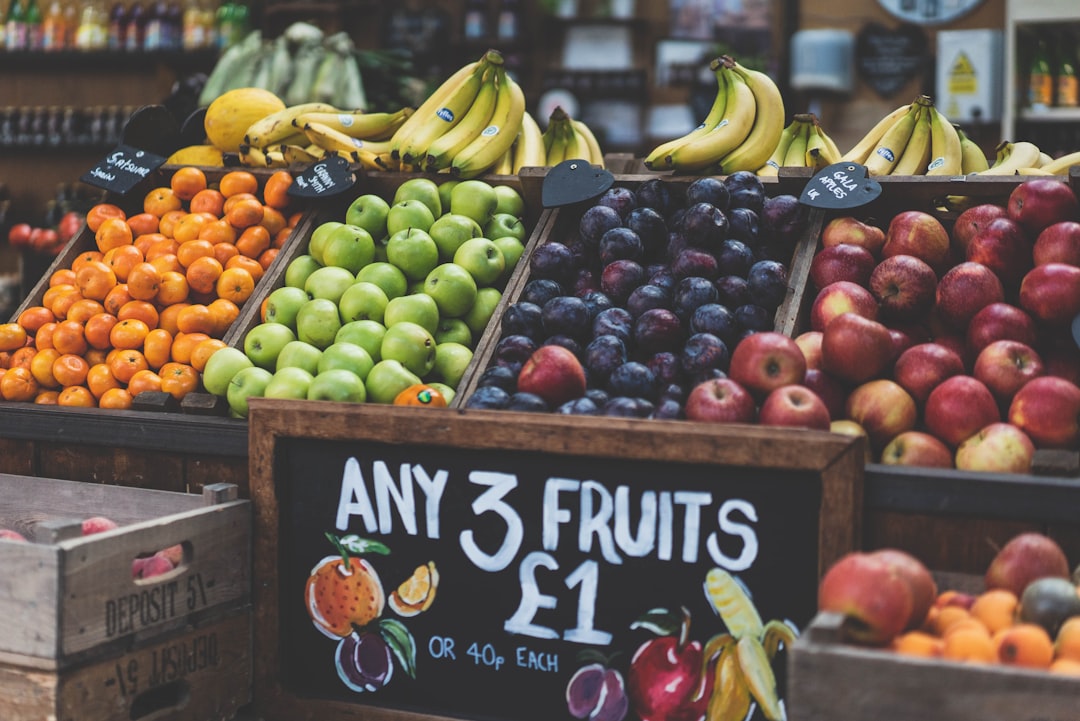
Photo by Tom Grünbauer on Unsplash
Food shopping is one of the largest controllable expenses for most UK households. Unlike rent or mortgage payments, it’s genuinely variable — the difference between a £40/week shop and a £100/week shop for the same household is almost entirely down to habits and choices.
Here are the strategies that actually work.
Switch Supermarket (or Add One)
The single highest-impact action for most UK shoppers is switching some or all of their shopping to Aldi or Lidl. The price difference versus the big four (Tesco, Sainsbury’s, Asda, Morrisons) is consistently 20–30% on comparable products.
You don’t have to switch entirely. Many people do the bulk of their shop at Aldi or Lidl and top up specific items at their usual supermarket. The savings on staples (pasta, rice, canned goods, dairy, meat, fruit and veg) are significant.
If Aldi or Lidl isn’t convenient, Asda typically has the lowest prices among the big four.
Use Loyalty Scheme Discounts Properly
Clubcard at Tesco and Nectar at Sainsbury’s offer “member prices” that can be substantially lower than the non-member price. These discounts are only available with the app or card.
If you shop at Tesco or Sainsbury’s, using the loyalty scheme is not optional from a value perspective — member prices on staples can be 25–40% lower than the standard price on the same shelf.
Plan Meals Before You Shop
Buying without a list leads to overspending and food waste. A weekly meal plan that uses overlapping ingredients (e.g. buying a rotisserie chicken and using leftovers in a second meal) reduces both spend and waste.
Steps:
1. Check what’s already in the fridge/freezer/cupboard
2. Plan 5–7 dinners using what you have where possible
3. Write a specific shopping list from the meal plan
4. Stick to the list
The discipline of not browsing off-list is where most of the saving comes from.
Shop Less Often
Every additional supermarket trip increases spend. Browsing triggers impulse purchases — promotions, “special buys”, end-of-aisle displays. Reducing from three trips per week to one cuts this trigger substantially.
A weekly shop with a list beats a daily “just getting a few things” approach almost every time.
Buy Own-Brand and Budget Lines
Supermarket own-brand products are typically 20–50% cheaper than branded equivalents, often manufactured in the same facilities. The quality gap varies by product:
Products where own-brand is virtually identical: pasta, rice, canned tomatoes, canned beans, flour, sugar, salt, baking powder, frozen vegetables, cooking oil.
Products where branded may be noticeably different: chocolate, coffee, some cheeses, condiments (personal preference varies).
Test own-brand alternatives for a month — most people find they don’t notice the difference on the majority of products.
Reduce Food Waste
The average UK household throws away approximately £600/year in food. Reducing waste is effectively free money.
Practical steps:
– FIFO (First In First Out): Move older items to the front of the fridge so they get used first
– Freeze before it goes off: Most proteins, bread, and many vegetables can be frozen. Freeze meat the day you buy it if you’re not cooking it in the next 24–48 hours
– Use the whole vegetable: Vegetable tops, stems, and outer leaves are often edible and discarded unnecessarily
– Check “use by” vs “best before”: “Use by” is a safety date. “Best before” is a quality date — food past best before is often still perfectly safe
Yellow Sticker Shopping
Supermarkets reduce perishable items approaching their “use by” date, typically in the morning and late evening. Timing your shop to catch reductions (usually 6–8am and 7–9pm) can cut the cost of meat and fresh produce significantly.
Apps like Too Good To Go and Olio also connect you with surplus food from supermarkets, bakeries, and restaurants at heavily reduced prices or free.
Buy in Bulk for Non-Perishables
Items that don’t expire quickly are cheaper per unit in larger quantities: pasta, rice, canned goods, toilet roll, washing powder, and other household consumables. Buying these in bulk at Costco or online (Amazon Subscribe & Save, Ocado for larger packs) reduces the per-unit cost.
Only buy in bulk what you’ll definitely use — buying 5kg of pasta that sits in the cupboard for two years isn’t a saving if you’d have been happy with 500g packs.
Compare Unit Prices (Not Pack Prices)
Supermarket shelves show unit prices (price per 100g or per litre) alongside the pack price. These are often inconsistent between size variants of the same product — a smaller pack is not always the best value per unit.
Always compare unit prices when choosing between sizes. The “larger must be cheaper” assumption is often wrong.
Cut the Convenience Products
Pre-cut vegetables, pre-marinated meat, meal kits, single-serving portions, and ready-prepared salad bags carry a significant premium over their raw equivalents. A bag of prepared stir-fry vegetables costs 2–3× what the same vegetables cost unprepared.
Spending 10–15 minutes chopping vegetables saves meaningful money over time.
Summary
Cutting the food shopping bill in the UK:
- Switch to Aldi or Lidl for staples — a 20–30% saving versus the big four on comparable products
- Use loyalty scheme member prices at Tesco (Clubcard) and Sainsbury’s (Nectar) — non-members pay significantly more
- Meal plan and shop with a list — removes impulse buying and food waste simultaneously
- Switch to own-brand on staples (pasta, rice, canned goods, dairy) — quality is usually identical
- Reduce food waste — the average UK household throws away £600/year; FIFO and freezing are the most impactful habits
Next read: Best budgeting apps in the UK | https://moneyunpacked.com/best-budgeting-apps-uk/