
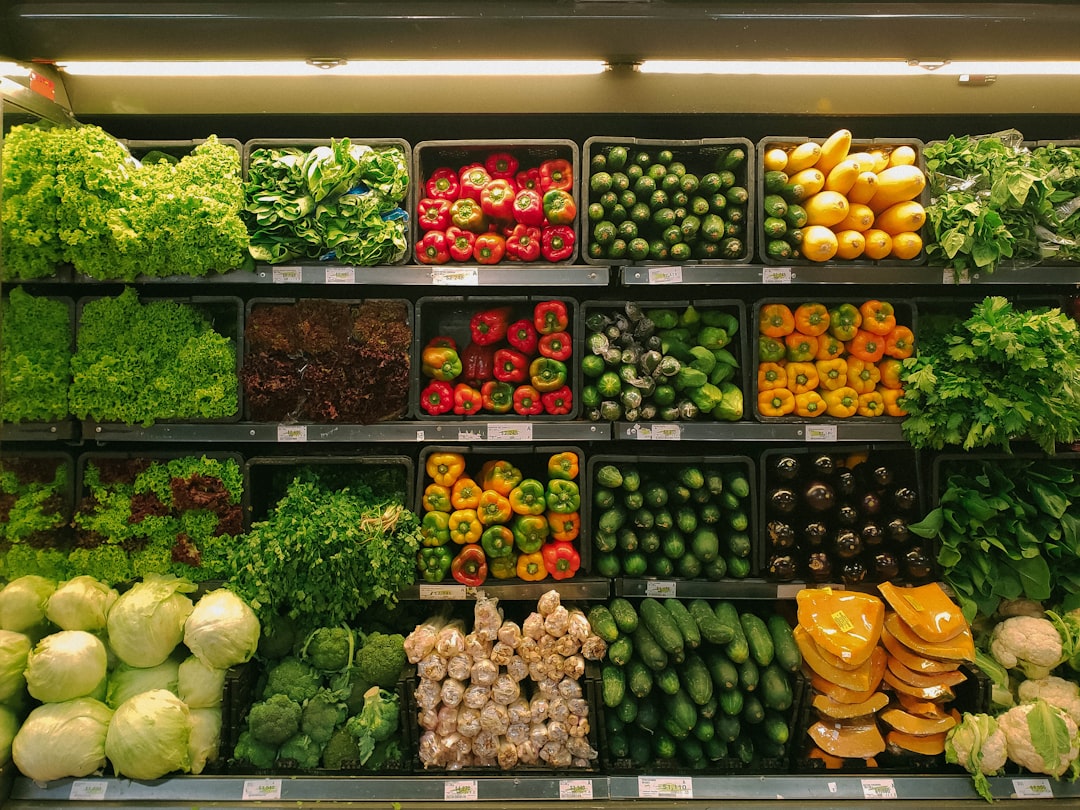
Food is one of the biggest items in most household budgets, and unlike rent or mortgage payments, it’s one you can meaningfully control. The average UK household spends around £65–£75 a week on groceries according to ONS data — for a family of four that’s over £3,500 a year. In the US, the USDA estimates an average family of four spends between $800 and $1,000 a month on food.
Reducing that bill by even 20% puts hundreds of pounds or dollars back in your pocket annually. This guide covers how to actually do it — not with extreme couponing or joyless eating, but with practical changes to how you shop, plan, and cook.
Start With a Weekly Meal Plan (and Stick to It)
The single most effective thing you can do to cut your food bill is plan your meals before you shop. Without a plan, you buy impulsively, over-cater, and throw away food you don’t use.
A basic meal plan doesn’t need to be elaborate:
- Check what’s already in your fridge, freezer, and cupboards
- Plan 5–7 evening meals for the week
- Work backwards to list only the ingredients you actually need
- Add breakfasts and lunches — often these can be simpler and repetitive (batch-cooked porridge, soup, sandwiches)
People who meal plan consistently report throwing away significantly less food. The average UK household wastes £730 worth of food a year according to WRAP (Waste and Resources Action Programme) — money that goes directly in the bin. Meal planning is the primary way to stop that.
Shop With a List — and Don’t Deviate
A shopping list built from your meal plan is the only protection against impulse buys. Supermarkets are designed by professionals to make you spend more than you planned — the layout, the two-for-one deals at eye level, the bakery smell near the entrance. A list keeps you focused.
Practical rules that help:
- Don’t shop hungry — this is not a cliché; it materially changes what you buy
- Stick to the perimeter of the supermarket first (fresh produce, meat, dairy, bakery) before the central aisles
- Don’t browse — get in, get what’s on the list, get out
- Leave the kids at home if possible — or if not, have snacks ready to reduce pester power
Switch Supermarkets — or Use Multiple Strategically
In the UK, Aldi and Lidl consistently price most categories 20–40% cheaper than the major four (Tesco, Sainsbury’s, Asda, Morrisons). If you’re buying branded products out of habit rather than preference, switching to a discounter for staples is one of the fastest ways to cut your bill. Many people do a main shop at Aldi or Lidl and supplement with one or two items from a larger store.
In the US, stores like Aldi (also present there), Walmart, Costco (for bulk buying), and Trader Joe’s tend to undercut traditional grocery chains significantly.
Loyalty schemes are worth using at whichever store you frequent most. Tesco Clubcard, Sainsbury’s Nectar, and Boots Advantage all offer real money back over time — but only if you were already going to make those purchases.
| Supermarket strategy | Estimated weekly saving |
|---|---|
| Switching from mid-range to discount (e.g. Sainsbury’s → Aldi) | £15–£25/week |
| Using a loyalty card consistently | £3–£8/week |
| Buying own-brand instead of branded | £8–£15/week |
| Planning meals before shopping | £10–£20/week (via reduced waste) |
| Buying in bulk (non-perishables) | £5–£10/week |
Own-Brand Products Are Mostly Just as Good
Supermarket own-brand products — Tesco Everyday Value, Sainsbury’s Basics, Asda Smart Price — are often manufactured in the same factories as branded equivalents. The difference is the label and the marketing spend. For staples like pasta, rice, tinned tomatoes, olive oil, eggs, flour, sugar, and cleaning products, own-brand nearly always performs identically in blind taste tests.
Reserve branded products for the items where you genuinely notice a difference. For most households, this is a much shorter list than they expect.
Reduce Meat Consumption (You Don’t Have to Go Vegetarian)
Meat — especially red meat and chicken fillets — is one of the most expensive items in a shopping basket. Reducing meat consumption even slightly has a disproportionate impact on your bill.
Practical approaches:
- Batch-cook cheap cuts — beef shin, pork shoulder, lamb shoulder, chicken thighs all cost a fraction of premium cuts and develop better flavour when cooked slowly
- Use meat as a flavouring rather than the centrepiece — a stew, soup, or pasta where meat is one ingredient among many stretches it considerably further
- Go meat-free 2–3 nights a week — lentil bolognese, chickpea curry, egg fried rice, and bean chilli are filling, cheap, and easy. A 400g tin of lentils or chickpeas costs around 40–60p and feeds two to three people
- Eggs are your friend — one of the cheapest high-protein foods available, and versatile enough to anchor multiple meals
Use Your Freezer Properly
Most people use their freezer for ice cream and forgotten leftovers. Used properly, it’s a significant money-saving tool.
- Batch cook and freeze — make double portions of bolognese, chilli, soup, or curry and freeze half. This gives you a free ready meal for a busy night when you’d otherwise order a takeaway
- Freeze bread — bread keeps well in the freezer and toasts directly from frozen, cutting waste entirely
- Freeze meat close to the use-by date — if you’re not using it in the next day, freeze it rather than risk wasting it
- Buy yellow-sticker (reduced) items and freeze immediately — supermarkets mark down perishables by 25–75% near closing time. Plan a late shop and go directly to the yellow-sticker section
Buy Seasonal Produce
Out-of-season fruit and vegetables are expensive because they’ve been flown in from warmer climates. Seasonal produce is cheaper, fresher, and often more nutritious. In the UK:
- Spring: asparagus, purple sprouting broccoli, spring onions
- Summer: courgettes, tomatoes, cucumbers, strawberries, runner beans
- Autumn: butternut squash, leeks, mushrooms, apples, pears
- Winter: cabbage, carrots, parsnips, cauliflower, swede
A seasonal eating approach doesn’t require rigidity — just an awareness of what’s cheap and abundant when you’re shopping.
According to Which?, the UK’s consumer champion, switching to seasonal veg and own-brand staples can cut a family’s annual food bill by over £1,500.
Cut Food Waste at Home
Even with good planning, some food waste happens. These habits minimise it:
- First in, first out (FIFO) — when you unpack shopping, move older items to the front of the fridge so they get used first
- Keep your fridge at 1–5°C — most people run their fridges too warm, which accelerates spoilage
- Learn the difference between “best before” and “use by” — best before is about quality, not safety. Most produce, dairy, and dry goods are fine past their best before date. Use by is the safety date
- Wilting vegetables = stock or soup, not bin — soft carrots, wrinkled peppers, ageing leeks all belong in a soup pot, not the compost
The USDA FoodKeeper guide provides a detailed reference on how long different foods remain safe, which prevents unnecessary waste from overcaution.
Consider a Batch-Cooking Day
Setting aside a couple of hours on Sunday to prep for the week means you spend less money on convenience food and takeaways when you’re tired during the week. You don’t need to cook everything — just getting grains, roasted veg, and a couple of sauces ready reduces the number of “I can’t be bothered to cook” moments that lead to expensive takeaways.
A £12 takeaway could easily fund three nights of home-cooked meals using the same budget.
Conclusion
Reducing your food shopping bill doesn’t require sacrifice — it requires systems. The key takeaways:
- Meal planning and a shopping list cut waste and impulse buys, saving £10–£25 a week in most households
- Switch to own-brand staples for everything where you don’t genuinely notice a difference — the savings are immediate and consistent
- Discount supermarkets like Aldi and Lidl offer real quality at substantially lower prices; even a partial shift to them makes a meaningful difference
- Reduce meat two or three nights a week and use cheaper cuts when you do buy it — lentils, eggs, and beans are your budget-friendly protein substitutes
- Use your freezer to eliminate waste, take advantage of yellow-sticker deals, and always have a cheap ready meal available instead of ordering in
Next read: Cutting food costs is just the start — read our full guide on how to cut monthly expenses: /how-to-cut-monthly-expenses