
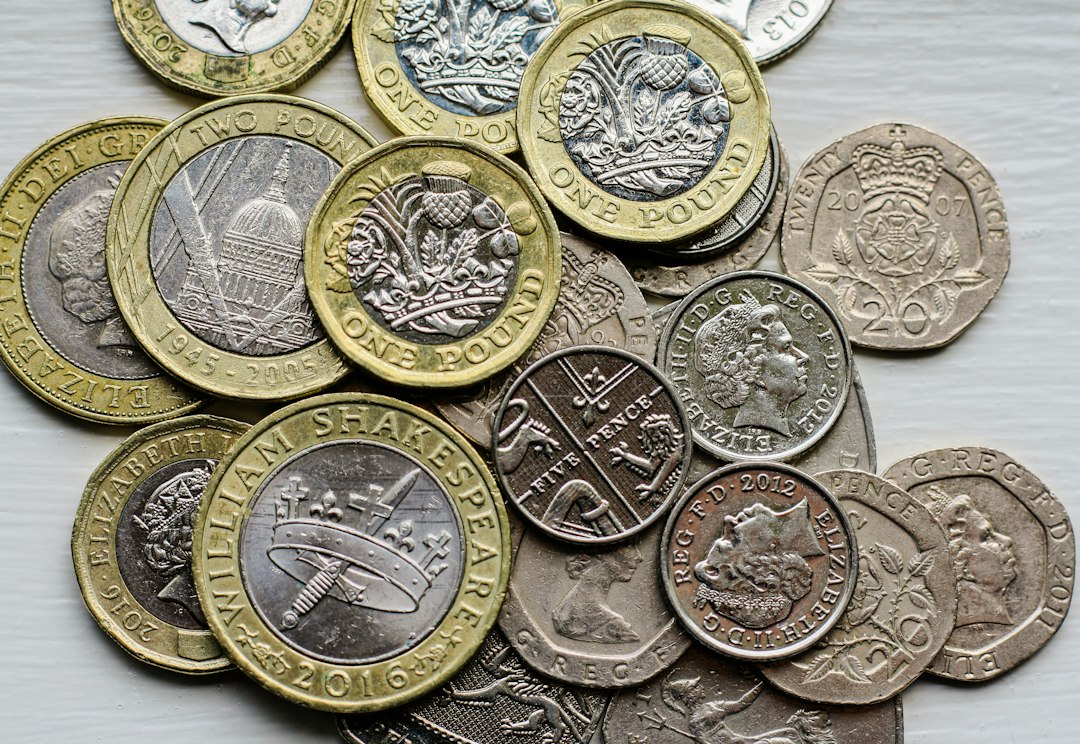
Photo by Sarah Agnew on Unsplash
Your car fails its MOT. Your boiler packs in during the first cold snap of winter. Your hours get cut at work for a month. None of these are rare disasters — they’re the normal, slightly annoying things that happen to everyone eventually. The difference between a bad week and a genuine financial crisis is usually whether you’ve got money set aside to cover it.
That’s what an emergency fund is. Not an investment, not a savings goal for a holiday — just cash, sitting somewhere boring and accessible, waiting for the moment your boiler or your car or your job decides to ruin your month. If you don’t have one yet, you’re not behind some imaginary schedule. Most people are building this from a standing start, often while also paying off debt or managing a tight budget. This article gives you the actual steps, in order, with real numbers.
Why an emergency fund matters more than it sounds
Without one, an unexpected £600 bill doesn’t just cost you £600 — it costs you £600 plus whatever interest you pay to borrow it, if you put it on a credit card or take out a loan. Citizens Advice and debt charities consistently see the same pattern: people don’t get into problem debt because they’re reckless, they get into it because one unexpected cost arrives with nothing behind it to absorb the shock.
An emergency fund breaks that chain. It’s not about having loads of savings — it’s about having enough that one bad month doesn’t turn into a bad year.
Step 1: Work out what “emergency” actually means for you
Before saving anything, get specific about what this money is for. It is not for:
- Christmas
- A holiday
- A new phone because yours is annoying you
- “Treating yourself” after a hard week
It is for:
- Losing your job or income dropping unexpectedly
- Essential repairs (car, boiler, roof)
- Unavoidable medical or dental costs
- Emergency travel (a family crisis, for example)
Writing this down matters more than it sounds like it should. When the fund exists only in your head, it’s easy to dip into it for non-emergencies and quietly convince yourself it was justified.
Step 2: Figure out your real number — not a guess
The standard guidance from most UK financial guidance bodies, including MoneyHelper, is to aim for 3 to 6 months of essential outgoings. Essential means the stuff that keeps the lights on and a roof over your head — not your current total spending.
List out:
- Rent or mortgage
- Utilities
- Food
- Minimum debt repayments
- Transport
- Insurance
Add it up. That’s your monthly “bare minimum” figure. Multiply by three for a starter target, six if your income is irregular (self-employed, contract work, commission-based) or you’re the sole earner in your household.
| Monthly essentials | 3-month fund | 6-month fund |
|---|---|---|
| £1,200 | £3,600 | £7,200 |
| £1,600 | £4,800 | £9,600 |
| £2,200 | £6,600 | £13,200 |
If those numbers feel enormous right now, that’s normal — and it’s exactly why step 3 matters more than this one.
Step 3: Start with a smaller, realistic first target
Six months of outgoings is the eventual goal, not the starting point. If you’re building from zero, aim for £1,000 first. Just £1,000. This single milestone absorbs the vast majority of day-to-day emergencies — a car repair, a replacement appliance, a month of reduced hours. It’s also achievable in a way that “£9,600” simply isn’t when you’re starting out, and hitting it gives you real, visible proof that this is working.
Once you’ve hit £1,000, move to one month of essentials. Then three. Then six. Each stage is a genuine milestone, not just a step toward a bigger number.
Step 4: Automate a fixed amount — even if it’s small
The biggest myth about emergency funds is that you need to find a large lump sum or wait until you’re “earning more” to start. You don’t. Consistency beats size.
Set up a standing order for the day after payday — not the day before bills are due, when there’s nothing left. Even £25 a month builds to £300 in a year. £50 a month builds to £1,000 in under two years. The amount matters less than the habit of it leaving your account before you get a chance to spend it.
If your income varies month to month, don’t set a fixed amount you can’t guarantee — instead, set a rule: a fixed percentage of whatever comes in, even 5%, moved as soon as it lands.
Step 5: Choose the right place to keep it
This is where a lot of people overthink it or get it wrong in the opposite direction — stuffing it in a jam jar or leaving it sitting in a current account earning nothing.
Your emergency fund needs two things: it must be accessible within a day or two, and it should not be exposed to the ups and downs of the stock market. This rules out stocks and shares ISAs or investment accounts — not because they’re bad, but because an emergency fund needs to be worth the same amount when you need it as when you put it in, even if markets have had a bad month.
| Option | Access speed | Growth | Good fit for emergency fund? |
|---|---|---|---|
| Current account | Instant | Little to none | Only as a top-up, not the main pot |
| Easy-access savings account | 1–2 days | Modest interest | Yes — the standard choice |
| Cash ISA | 1–2 days | Modest interest, tax-free | Yes, especially if you’re a higher earner |
| Stocks and shares ISA | Days, but value can drop | Higher long-term potential, no guarantee | No — too risky for money you may need suddenly |
| Fixed-term savings bond | Locked for months/years | Higher fixed rate | No — defeats the purpose of “emergency” |
A cash ISA is worth considering if you’re likely to use up your Personal Savings Allowance — the amount of savings interest you can earn before paying tax on it — but for most people starting out, a plain easy-access savings account does the job. The priority is that the money is there when you need it, not that it earns the highest possible rate.
The common misconception: “I should pay off debt first”
This is one of the most persistent myths in personal finance, and it’s not entirely wrong — it’s incomplete. If you have high-interest debt (credit cards, payday loans), throwing every spare pound at it feels responsible. But if you do that with zero savings behind you, the next emergency goes straight back onto the credit card, and you’re no further forward.
The more realistic approach: build a small buffer first — that £1,000 starter fund — then attack high-interest debt aggressively, then come back and build the fund up to 3–6 months once the debt is gone. This isn’t about ignoring debt. It’s about not creating new debt every time life throws something at you while you’re paying off the old debt.
Step 6: Protect it from yourself
An emergency fund that’s too easy to raid isn’t really an emergency fund — it’s just a second current account. A few practical guardrails:
- Keep it in a separate account from your everyday spending, ideally with a different bank, so it’s not one tap away on your banking app.
- Don’t get a debit card linked to it if your bank allows that option.
- Before withdrawing, ask yourself: would I be comfortable explaining this withdrawal to someone else as a genuine emergency? If the honest answer is no, leave it alone.
Step 7: Rebuild it after you use it
Using your emergency fund for its actual purpose isn’t a failure — it’s the fund working exactly as intended. The mistake is treating the depleted fund as the new normal and not rebuilding it. Go back to Step 4. Restart the standing order. Treat getting back to your target as seriously as building it the first time.
The bottom line
- This week: calculate your monthly essential outgoings and set a realistic first target — £1,000 if you’re starting from zero.
- Open a separate easy-access savings account (or cash ISA if you’re a higher earner) and set up a standing order for the day after payday, even if it’s just £25–£50.
- Don’t wait to have debt fully cleared before starting — build a small buffer first, then focus on high-interest debt, then grow the fund back up to 3–6 months.
- Keep the fund boring: no investment risk, no debit card, no easy access from your main banking app.
- If you’re unsure where to start with budgeting the numbers, MoneyHelper’s budget planner can help you work out what you can realistically set aside each month.
Next read: none