
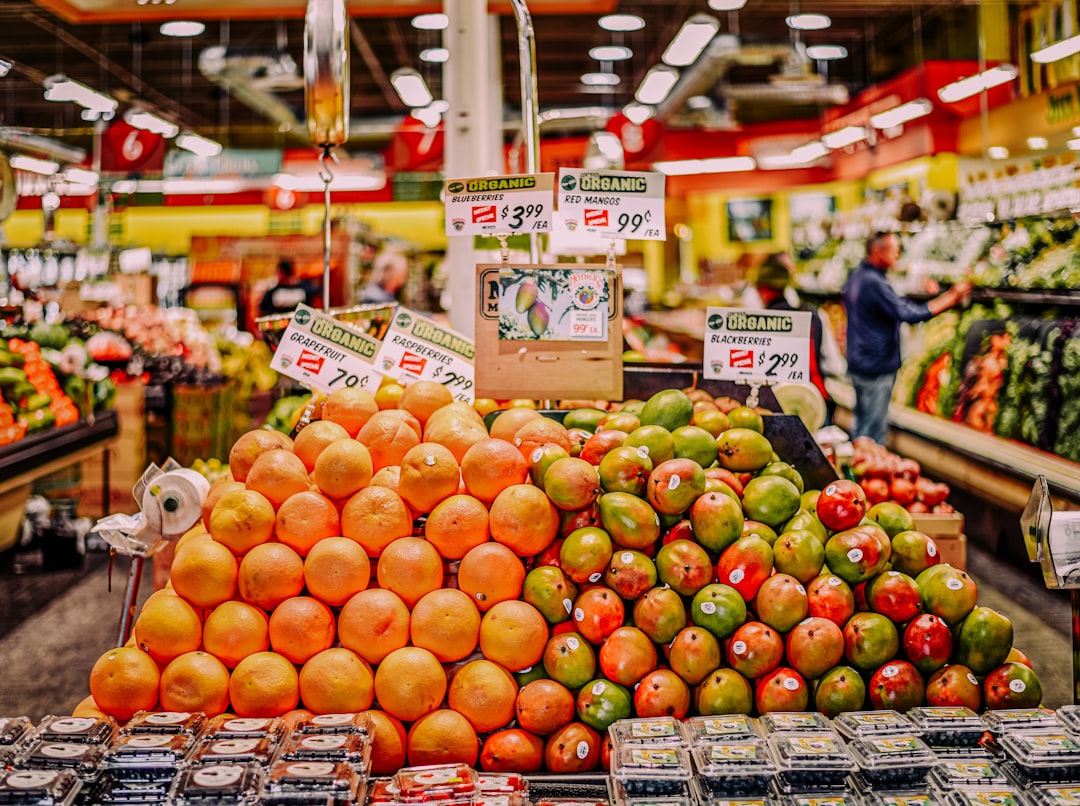
Photo by Frames For Your Heart on Unsplash
Your grocery bill keeps climbing, but your paycheck stays the same. Sound familiar? You’re not alone—food inflation has hit households hard, with grocery prices rising significantly faster than wages in recent years. The good news? You don’t have to accept shrinking shopping carts as your new reality.
This guide will show you exactly how to adjust your grocery budget for inflation while tracking your spending monthly. You’ll learn practical strategies to maintain your food quality without breaking the bank, plus simple tracking methods that take just minutes each week. By the end, you’ll have a bulletproof system for managing grocery costs no matter what the economy throws at you.
Understanding Your Current Grocery Spending Patterns
Before you can adjust for inflation, you need to know where your money actually goes. Most people dramatically underestimate their grocery spending because they don’t track the little trips—that quick stop for milk, the lunch ingredients picked up after work, or the weekend bakery visit.
Start by gathering three months of grocery receipts, bank statements, and card transactions. Include everything: supermarket shops, corner store purchases, online grocery deliveries, and even that expensive organic honey you bought at the farmer’s market. Don’t judge your past spending—just document it.
Create categories that make sense for your household. Basic categories might include fresh produce, meat and fish, dairy, pantry staples, cleaning supplies, and treats. If you have dietary restrictions or buy a lot of organic food, create separate categories for those items since they often see different inflation rates.
Calculate your average monthly spend in each category. This baseline becomes your starting point for inflation adjustments. Many people discover they’re spending 20-30% more on groceries than they realized once they include all those “quick stops.”
Creating an Inflation-Responsive Budget Framework
Traditional grocery budgets set a fixed monthly amount and hope for the best. An inflation-responsive budget builds in flexibility from the start. Instead of saying “I’ll spend £400 monthly on groceries,” you create a framework that adjusts based on actual price changes.
Set up three budget tiers: essential, comfortable, and maximum. Your essential tier covers basic nutrition needs—think rice, beans, seasonal vegetables, cheaper protein sources, and store brands. Your comfortable tier adds variety, better cuts of meat, name brands, and some convenience foods. Your maximum tier is your absolute spending limit that includes treats and premium items.
Build inflation buffers into each tier. Add 5-10% to your calculated baseline for the essential tier, 10-15% for comfortable, and 15-20% for maximum. These buffers give you room to absorb price increases without constantly revising your budget.
Review and adjust these tiers quarterly, not monthly. Grocery prices fluctuate week to week, but inflation trends become clear over longer periods. Quarterly reviews prevent you from overreacting to temporary price spikes while ensuring you stay responsive to genuine inflationary pressure.
Smart Substitution Strategies for Rising Prices
When specific items become too expensive, smart substitutions maintain your nutrition and satisfaction without killing your budget. The key is thinking about function, not just replacing like with like.
Protein substitutions offer the biggest savings potential. If beef prices spike, don’t automatically switch to chicken—consider eggs, beans, lentils, or canned fish. These alternatives often provide better value per gram of protein. When chicken thighs cost less than breasts, learn to cook them well rather than paying premium prices for your preferred cut.
For produce, think seasonally and flexibly. Instead of buying expensive out-of-season strawberries, choose whatever fruit is currently affordable. Frozen vegetables often cost less than fresh and retain similar nutritional value. Root vegetables like potatoes, carrots, and onions typically resist inflation better than delicate greens.
Grain and pantry substitutions extend your budget significantly. Rice, pasta, and bread are rarely all expensive simultaneously. Stock up when prices drop and switch between them based on current costs. Store brands often maintain more stable pricing than national brands during inflationary periods.
| Category | Expensive Item | Smart Substitution | Potential Savings |
|---|---|---|---|
| Protein | Beef steak | Chicken thighs | 40-60% |
| Protein | Fresh salmon | Canned salmon/mackerel | 50-70% |
| Produce | Out-of-season berries | Frozen berries | 30-50% |
| Grains | Quinoa | Brown rice/barley | 60-80% |
| Dairy | Name brand cheese | Store brand cheese | 20-40% |
Monthly Tracking Methods That Actually Work
The best tracking system is the one you’ll actually use consistently. Complicated spreadsheets and detailed apps often get abandoned after a few weeks. Start simple and build complexity only if you need it.
The receipt jar method works for people who prefer physical tracking. Keep a large jar near your door and drop every grocery receipt into it. At month’s end, sort receipts by store and week, then total your spending. This takes about 15 minutes monthly and gives you a clear picture of your habits.
For digital trackers, use your bank’s mobile app or a simple notes app on your phone. Most banking apps categorize grocery spending automatically, though you might need to manually recategorize some purchases. Take five minutes each week to review and note any unusual spending or price increases you noticed.
Create a simple monthly summary with four numbers: total spent, average per week, biggest single shop, and most expensive category. Track these four numbers month to month to spot trends. If your biggest single shop keeps growing, you might be panic-buying during sales. If your weekly average stays steady but monthly total increases, you’re making more frequent trips.
Set up price alerts for your most-bought items. Many stores’ apps let you track specific products. Choose 10-15 items you buy regularly and monitor their prices monthly. This gives you early warning of inflation in your actual shopping basket, not just general grocery inflation statistics.
Building Flexibility Into Your Food Planning
Rigid meal plans break when key ingredients become expensive or unavailable. Flexible food planning maintains your budget while keeping meals interesting and nutritious.
Plan around sales, not specific recipes. Instead of deciding “we’ll have salmon on Tuesday,” plan “we’ll have fish twice this week” and choose which fish based on current prices. Build a repertoire of recipes that work with multiple proteins, vegetables, or grains so you can substitute freely.
Embrace ingredient-forward cooking rather than recipe-dependent cooking. If you know how to roast vegetables, make stir-fries, and cook grains, you can create satisfying meals from whatever’s affordable. This approach also reduces food waste since you’re not stuck with single-use ingredients.
Keep a “flexible pantry” of versatile staples. Canned tomatoes work in pasta sauce, chili, curry, and soup. Onions, garlic, and basic spices enhance almost anything. Rice or pasta provides filling bulk for countless dishes. These staples let you take advantage of sales on vegetables, proteins, and other fresh items.
Plan for at least three “emergency meals” using only pantry staples. When grocery prices spike unexpectedly or you’ve overspent early in the month, these backup meals keep you fed without additional shopping. Simple options include pasta with canned tomatoes and cheese, rice and beans with spices, or eggs with whatever vegetables you have.
Technology Tools for Price Comparison and Deals
Modern technology can significantly reduce your grocery spending if you use it strategically. The key is choosing tools that save more money than time they consume.
Store apps and loyalty programs remain the most effective digital tools for grocery savings. Most major chains offer app-exclusive deals, digital coupons, and personalized offers based on your shopping history. Download apps for any stores you visit regularly, but don’t let deal-chasing drive you to stores with higher base prices.
Price comparison apps help identify the best stores for your specific shopping list. Apps like MySupermarket in the UK compare prices across multiple retailers for identical items. Use these tools for your regular staples rather than one-off purchases to maximize the time investment.
Cashback and rebate apps provide genuine savings if you use them consistently. Choose one primary app rather than juggling multiple platforms—the extra effort rarely justifies the minimal additional rewards. Focus on apps that work with stores you already visit regularly.
Digital deal tracking serves two purposes: immediate savings and inflation monitoring. Save screenshots of prices for items you buy regularly. This personal price history helps you recognize genuine deals versus fake sales where prices return to previous “normal” levels.
Adapting Your Strategy Over Time
Your grocery budget adjustment strategy needs regular fine-tuning as circumstances change. What works during rapid inflation differs from strategies for stable periods or deflationary phases.
Quarterly strategy reviews examine both your tracking data and broader economic conditions. Look at your spending patterns: Are you consistently over or under budget? Which categories see the most volatility? Where do substitutions work well, and where do they feel like deprivation?
Seasonal adjustments account for natural price fluctuations and changing household needs. Summer often brings lower produce costs but higher beverage spending. Winter might mean more expensive fresh vegetables but lower utility costs that free up grocery money. Plan these predictable changes rather than treating them as budget surprises.
Economic indicators help time your strategy adjustments. The ONS food price index provides official inflation data, but your own tracking might reveal different patterns based on your specific shopping habits. When official inflation exceeds 5% annually, consider more aggressive substitution strategies. When inflation moderates, you might gradually reintroduce preferred brands or cuts.
Life changes require strategy updates. Job changes, family size changes, health issues, or housing moves all affect optimal grocery strategies. A new baby increases grocery spending but changes priorities toward convenience. An empty nest might increase per-person costs but allow more flexibility in shopping timing and locations.
Conclusion
Grocery budget inflation adjustment doesn’t require complex spreadsheets or extreme couponing—it needs consistent tracking, flexible thinking, and smart substitutions. Start with understanding your current spending patterns, then build an inflation-responsive budget framework with multiple tiers. Focus on practical substitution strategies that maintain nutrition while cutting costs, and choose tracking methods you’ll actually use long-term.
Remember that the goal isn’t to spend the least possible money on food, but to maintain your family’s nutrition and satisfaction within a realistic budget that adapts to changing prices. Technology tools can help, but they supplement rather than replace good fundamental habits like planning around sales and keeping flexible pantry staples.
Your grocery strategy will evolve as prices, income, and circumstances change. The tracking data you collect now becomes the foundation for smarter decisions later. Start implementing these strategies gradually—pick one or two techniques and build consistency before adding complexity.
Most importantly, view grocery budget management as a skill that improves with practice, not a perfect system you must implement immediately. Every week of tracking and every successful substitution builds your confidence and capability for handling whatever inflation brings next.
Next read: Ready to tackle other monthly expenses? Check out our guide on budgeting for utilities and household bills: /monthly-household-budget-guide