
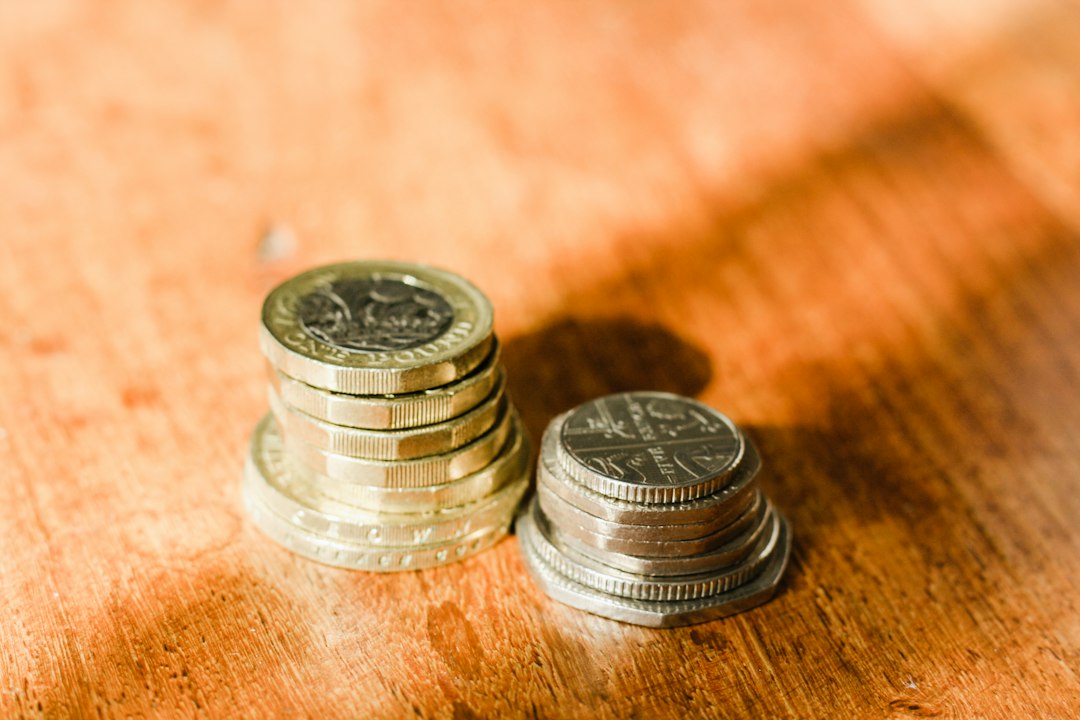
Photo by Sarah Agnew on Unsplash
You’ve got some money sitting in a savings account, or maybe you’ve just started earning enough to think about saving properly. You’ve heard the word “ISA” thrown around — on adverts, by your bank, by that one friend who seems to have their finances sorted. But when you actually look into it, you hit a fork in the road: cash ISA or stocks and shares ISA? Nobody explains the difference in a way that actually makes sense.
Here’s the short version: both are tax-free wrappers for your money, but they do completely different jobs. One is for money you don’t want to risk. The other is for money you’re willing to risk, in exchange for the chance of it growing faster over time. Picking the wrong one for your situation isn’t the end of the world, but it does mean your money works less hard for you than it could.
This article walks through what each one actually is, where people get confused, and how to work out which one — or both — fits what you’re trying to do with your money in 2026.
What an ISA actually is (quick recap)
ISA stands for Individual Savings Account. The only thing it really does is protect your money from tax. Any interest, dividends, or investment growth inside an ISA is tax-free — no Income Tax, no Capital Gains Tax, nothing to declare to HMRC.
For the 2026/27 tax year, you can put up to £20,000 total into ISAs. That allowance can be split across different types of ISA (cash, stocks and shares, Lifetime ISA, innovative finance ISA) however you like, as long as the total doesn’t go over £20,000. You can check the current allowance and rules on gov.uk’s ISA page.
The ISA itself isn’t an investment. It’s a container. What matters is what you put inside it — and that’s where cash ISAs and stocks and shares ISAs diverge completely.
Cash ISA: a savings account that doesn’t get taxed
A cash ISA works exactly like a normal savings account. You deposit money, it earns interest, and that interest is yours tax-free. Your balance can’t go down (barring extremely rare circumstances like a bank collapsing, which is protected up to £85,000 per institution under the Financial Services Compensation Scheme).
The trade-off is that cash ISA interest rates tend to track the Bank of England base rate fairly closely, and over the long run, cash returns have historically struggled to beat inflation by much. That means money sitting in cash can lose purchasing power over time, even while the number in your account goes up.
Cash ISAs make sense for money you might need access to in the next few years — an emergency fund, a house deposit you’re close to using, or savings for something specific coming up soon. You want certainty, not growth.
Stocks and shares ISA: your money in the market, tax-free
A stocks and shares ISA holds investments — typically funds made up of shares, bonds, or a mix of both — rather than cash. Your money’s value moves up and down with the market. Some years
Next read: none