
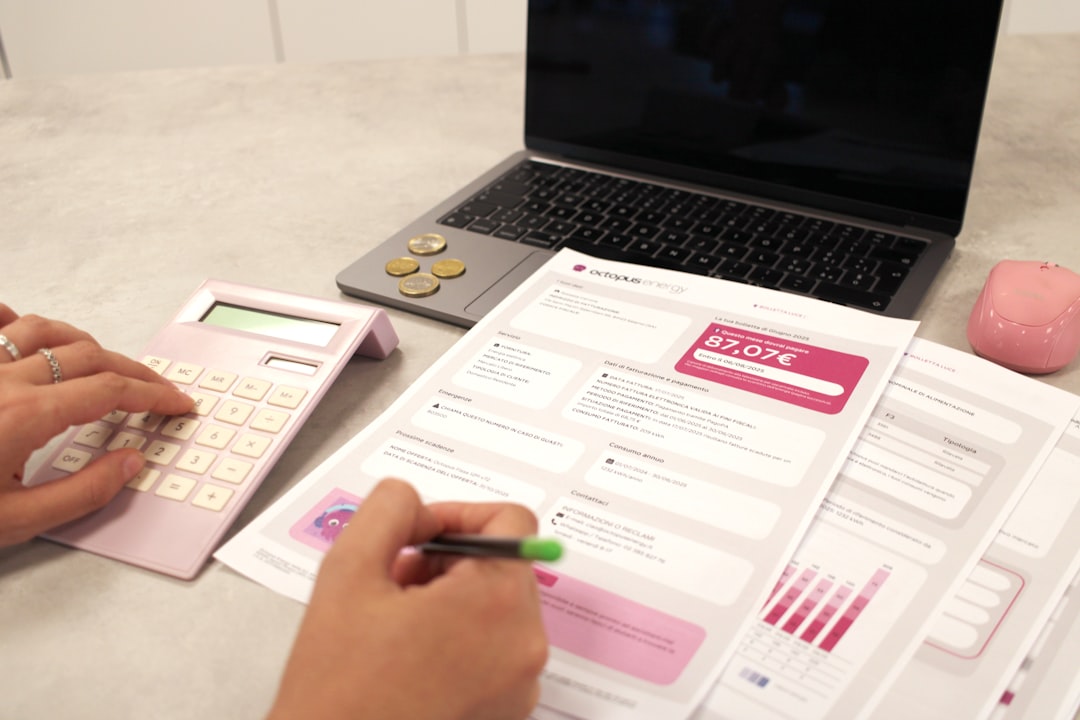
Photo by Giorgio Tomassetti on Unsplash
When your income changes every month, traditional budgeting advice feels useless. Most budget templates assume you know exactly how much you’ll earn, but as a freelancer, your monthly income might swing from £1,000 one month to £4,000 the next.
The good news? You can absolutely budget with irregular income — you just need a different approach. Instead of budgeting based on what you hope to earn, you’ll build a system that works with your income’s natural ups and downs. This guide will show you exactly how to create a monthly budget template that adapts to your freelance reality.
Why Traditional Budgets Fail Freelancers
Traditional budgets work on a simple premise: you earn X amount, so you can spend Y amount. But freelance income doesn’t follow neat monthly patterns. You might land a big project that pays £3,000 in January, then have a slow February with only £800 coming in.
This uncertainty creates two common problems. First, you might overspend during good months, assuming the income will continue. Second, you might under-invest in your business or emergency fund because you’re always worried about next month’s bills.
The solution isn’t to abandon budgeting — it’s to create a budget that expects income variability from the start.
The Foundation: Calculate Your Baseline Budget
Before creating your flexible budget template, you need to know your absolute minimum monthly expenses. This baseline represents what you must pay to keep your life running, regardless of income.
List every essential expense:
– Rent or mortgage payments
– Utilities (electricity, gas, water)
– Phone and internet
– Insurance premiums
– Minimum debt payments
– Basic groceries
– Transportation costs
Add 10% to this total as a buffer. If your essential expenses total £1,800, your baseline budget is £1,980. This becomes your monthly survival number — the minimum you need to earn or have saved to cover basic needs.
Track these expenses for three months to ensure accuracy. Many people underestimate costs like irregular bills (car insurance every six months) or seasonal expenses (higher heating bills in winter).
Creating Your Variable Income Budget Template
Your freelance budget template needs three income scenarios: lean month, average month, and abundant month. Base these on your actual income history, not wishful thinking.
Lean Month Budget (Bottom 25% of earnings)
Cover only baseline expenses plus a small emergency fund contribution. If your lean months typically bring £1,500, and your baseline is £1,980, you’ll need to dip into savings or reduce expenses further.
Average Month Budget (Middle 50% of earnings)
Include baseline expenses, larger emergency fund contributions, and some discretionary spending. With average earnings of £2,800, you might allocate £1,980 for essentials, £400 for savings, and £420 for flexible expenses.
Abundant Month Budget (Top 25% of earnings)
Cover everything above, plus aggressive savings, business investments, and guilt-free spending. In a £4,500 month, you could save £1,500 while still enjoying increased lifestyle spending.
This three-tier system lets you adjust spending based on actual income rather than scrambling when reality doesn’t match your budget.
The Monthly Budget Template Structure
Here’s a practical template structure that adapts to your income level each month:
| Category | Lean Month (£1,500) | Average Month (£2,800) | Abundant Month (£4,500) |
|---|---|---|---|
| Fixed Essentials | £1,200 | £1,200 | £1,200 |
| Housing | £700 | £700 | £700 |
| Utilities | £150 | £150 | £150 |
| Insurance | £100 | £100 | £100 |
| Phone/Internet | £60 | £60 | £60 |
| Minimum Debt Payments | £190 | £190 | £190 |
| Variable Essentials | £300 | £400 | £500 |
| Groceries | £200 | £250 | £300 |
| Transport | £100 | £150 | £200 |
| Savings & Investments | £0 | £600 | £1,500 |
| Emergency Fund | £0 | £300 | £600 |
| Business Fund | £0 | £200 | £500 |
| Retirement | £0 | £100 | £400 |
| Flexible Spending | £0 | £600 | £1,300 |
| Entertainment | £0 | £200 | £400 |
| Dining Out | £0 | £150 | £300 |
| Shopping | £0 | £150 | £400 |
| Extra Debt Payments | £0 | £100 | £200 |
At the start of each month, look at your confirmed income and choose the appropriate column. If you’re between categories, interpolate accordingly.
Managing Cash Flow Between Projects
The biggest challenge with irregular income isn’t budgeting — it’s timing. You might earn £5,000 in March but not see another payment until May. Cash flow management becomes crucial.
Create a cash flow calendar showing when payments typically arrive. Mark client payment terms (Net 30, Net 15) and invoice dates. This helps you predict lean periods and plan accordingly.
Consider invoice factoring or quick-pay discounts for cash flow smoothing. Offering clients a 2% discount for payment within 10 days instead of 30 can significantly improve your cash position, especially during slow periods.
The Citizens Advice Bureau offers guidance on managing debt during income uncertainty, particularly useful for freelancers facing temporary cash shortfalls.
Building Your Income Smoothing Fund
An income smoothing fund acts like a personal payroll department, evening out your irregular earnings. This differs from an emergency fund — it’s specifically for managing income fluctuations.
Start by calculating your monthly average income over the past year. Let’s say it’s £3,000. In months you earn above this average, deposit the excess into your smoothing fund. In below-average months, withdraw money to top up your income to the average level.
For example, if you earn £4,500 in January, put £1,500 in the smoothing fund. When February brings only £1,800, withdraw £1,200 to bring your spending power up to £3,000.
Build this fund gradually. Start with a goal of one month’s average income, then build to three months. This fund transforms your budgeting from crisis management to strategic planning.
Technology and Tools for Tracking
Spreadsheets work, but consider upgrading to tools designed for variable income. YNAB (You Need A Budget) handles irregular income particularly well, letting you assign jobs to dollars as they arrive rather than planning hypothetical spending.
Create separate savings accounts for different purposes: emergency fund, tax payments, business expenses, and income smoothing. This physical separation prevents accidental overspending and makes your budget categories real rather than theoretical.
For UK freelancers, HMRC’s guidance on record keeping provides essential information about financial documentation requirements that should inform your budgeting system.
Set up automatic transfers for fixed amounts during good months. When you earn £4,000, automatically move predetermined amounts to tax savings (25%), emergency fund (15%), and business investment (10%). This removes emotional decisions about money allocation during prosperous periods.
Handling Taxes and Benefits with Irregular Income
Irregular income complicates tax planning significantly. You might pay no tax in lean months but face higher rates during abundant periods. Set aside a consistent percentage rather than trying to calculate exact amounts monthly.
A simple rule: save 25-30% of every payment for taxes, regardless of monthly income level. This covers income tax, National Insurance, and provides a buffer for potential penalties. Adjust this percentage based on your total annual income projections.
If you receive benefits like Universal Credit, report income changes promptly to avoid overpayments. Keep detailed records of monthly earnings, as benefit calculations depend on accurate income reporting.
Consider making quarterly tax payments rather than annual ones. This smooths your tax burden and prevents large bills that could destabilize your budget during already challenging periods.
Conclusion
Managing irregular freelance income requires abandoning traditional budgeting wisdom and embracing flexibility. Your monthly budget template should reflect income reality, not wishful thinking. Start by calculating your true baseline expenses, then create three budget scenarios based on your actual earning patterns.
The key to success lies in building systems that work with income variability rather than against it. Use an income smoothing fund to create artificial regularity, maintain separate accounts for different purposes, and always save a higher percentage during abundant months.
Remember that budgeting with irregular income is a skill that improves with practice. Your template will evolve as you better understand your income patterns and develop more sophisticated cash flow management techniques. The goal isn’t perfect prediction — it’s creating a system that keeps you financially stable regardless of monthly income swings.
Most importantly, treat your budget as a living document that adapts to your freelance reality, not a rigid constraint that adds stress to an already uncertain income situation.
Next read: Ready to build your emergency fund? Check out our guide on building an emergency fund as a freelancer: /emergency-fund-freelancers