
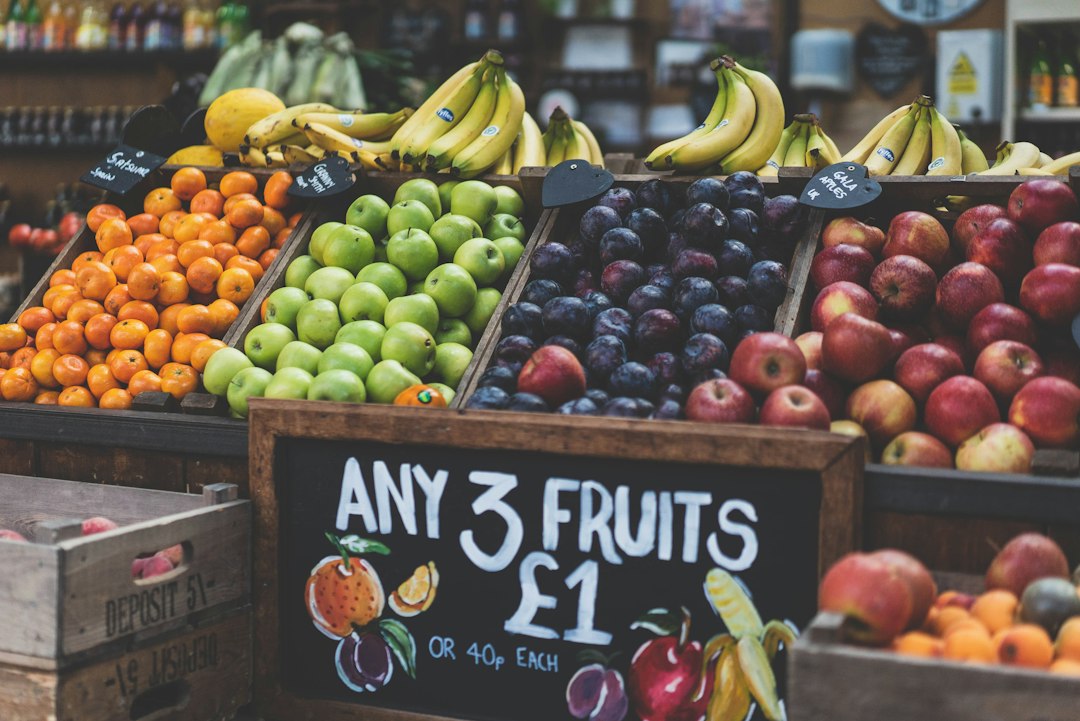
Photo by Tom Grünbauer on Unsplash
Food shopping is one of the only big expenses you can actually control week to week. You can’t easily renegotiate your rent or mortgage on a Tuesday afternoon, but you can change what goes in your trolley. And with grocery prices still sitting well above where they were a few years ago, most UK households are spending more on food than feels comfortable — even when the shopping list hasn’t changed much.
This isn’t about giving up the things you enjoy or living on own-brand beans for a month. It’s about where the genuine savings are hiding — the ones that don’t cost you time, dignity, or your Friday night takeaway. Some of these will save you a few pounds a week. Others, done consistently, can shave £50–£100 or more off your monthly food bill.
We’ll go through the practical stuff that actually moves the needle, clear up a couple of myths that waste people’s time, and give you a simple system to stick with — because the tips only work if you actually use them.
Start with what you’re actually spending now
You can’t cut a budget you’ve never measured. Before changing anything, look at your last month of supermarket spending — bank statements make this easy if you mostly use a card. Add up the total, including the little top-up shops, the meal deal on the way to work, and the emergency pint of milk.
Most people underestimate this by a surprising margin, not because they’re bad with money, but because food spending happens in lots of small transactions rather than one big one. Once you have a real number, you can set a weekly or monthly target that’s realistic rather than aspirational.
A rough, workable approach:
- Work out your current average monthly spend
- Set a target that’s 10–15% lower — enough to notice, not so much you give up in week two
- Track it weekly, not monthly, so you can course-correct before the month is blown
Plan meals around what’s on offer, not the other way round
The usual advice is “plan your meals, then shop.” It’s better advice to flip it: check what’s reduced or on offer first, then build your meals around that. Supermarkets rotate their promotions constantly, and meat, fish, and fresh veg are where the biggest percentage savings tend to show up.
This doesn’t mean eating whatever’s cheap regardless of nutrition — it means being flexible about which protein or vegetable you use for a given recipe. Chicken thighs instead of chicken breast. Frozen peas instead of fresh. Tinned tomatoes instead of fresh ones for a sauce. The meal is basically the same; the bill isn’t.
Use loyalty schemes properly — most people only use them half-heartedly
Supermarket loyalty schemes (Nectar, Clubcard, and similar) aren’t just a plastic card for a discount here and there. The real value is in two things: personalised offers based on your shopping history, and clubcard-style pricing that can knock a genuinely large chunk off certain items — sometimes 20–30% off specific products, though this varies store to store and week to week.
The mistake most people make is signing up and then forgetting to check the app before they shop. The five minutes it takes to scan for personalised offers before you go can be worth more than any other single tip in this article, because the discounts are tailored to things you already buy.
Own-brand isn’t always the downgrade people assume
This is the misconception worth clearing up: a lot of people assume own-brand products are a noticeably worse version of the branded one. For basics — tinned tomatoes, pasta, rice, flour, frozen vegetables, cooking oil — the difference is often negligible, and in some cases the product is made in the same factory as the branded version under a different label.
Where it’s genuinely worth paying more is for products where taste or quality differences are more noticeable to most people — coffee, chocolate, and some ready meals are common examples. The point isn’t “always buy the cheapest” — it’s “test it room by room” rather than assuming brand loyalty is non-negotiable.
| Product type | Own-brand vs branded savings | Worth switching? |
|---|---|---|
| Tinned tomatoes, pasta, rice | Often 40–60% cheaper | Yes, for most people |
| Frozen vegetables | Often 30–50% cheaper | Yes, for most people |
| Cooking oil, flour, sugar | Often 30–50% cheaper | Yes, for most people |
| Coffee, chocolate | Smaller gap, bigger taste difference | Worth testing first |
| Ready meals | Varies widely | Try before committing |
Batch cook and use your freezer properly
Food waste is a quiet budget killer. A significant amount of the average household’s food shop ends up thrown away — vegetables that go soft before you get to them, bread that goes mouldy, leftovers nobody fancies by day three. Batch cooking and freezing properly tackles this directly.
You don’t need a meal-prep lifestyle overhaul. Cooking double portions of things you’re already making — bolognese, curry, soup, chilli — and freezing half costs almost nothing extra in time but gives you a ready meal for a week you’re too tired to cook. That’s a direct replacement for a takeaway or last-minute convenience shop, which is usually where food budgets actually blow out.
Shop with a list and a time limit
This sounds almost too simple to mention, but it works because of how supermarkets are designed. Longer time in-store means more exposure to impulse placement — the sweets at the till, the “meal deal” signage, the end-of-aisle displays that aren’t actually the best value, just the most visible.
A written list (on paper or in an app) and a rough time limit for your shop reduces impulse buying significantly, because you’re not browsing — you’re executing a plan you made when you weren’t hungry or tired. Shopping hungry reliably leads to spending more; it’s one of the few pieces of “common sense” finance advice that’s actually well supported.
Compare prices properly — per unit, not per pack
Supermarkets are required to display a price per unit (per 100g, per litre, etc.) on shelf labels, which makes comparing value across pack sizes straightforward once you know to look for it. Bigger packs aren’t automatically better value, and “offer” pricing isn’t always genuinely cheaper than the regular price elsewhere — multibuy deals in particular can sometimes work out more expensive per unit than just buying one.
If you want a reality check on this, the Competition and Markets Authority has looked into supermarket pricing practices and unit pricing transparency — worth a glance if you want to understand how promotions are sometimes structured to look like bigger savings than they are.
Don’t ignore where you shop, not just what you buy
The supermarket you default to can matter more than any single tip on this list. If your weekly shop has crept up significantly over the past couple of years, it may be worth comparing a basket of your usual items across two or three different supermarkets — including discount chains — rather than assuming loyalty to one store is saving you anything.
You don’t need to switch entirely. Many households save the most by splitting their shop: discount chain for staples and basics, usual supermarket for the specific brands or products that matter to them. This hybrid approach tends to get most of the savings without most of the hassle.
The bottom line
- Track one month of real spending first — you can’t set a sensible target without knowing your actual baseline.
- Check loyalty app offers before every shop, not occasionally — this is the single highest-value habit on this list for the time it takes.
- Test own-brand on basics (tins, dried goods, frozen veg) where the gap in quality is usually smallest and the savings are biggest.
- Batch cook one extra portion of whatever you’re already making this week and freeze it — it’s a free meal that replaces a takeaway later.
- Shop with a list and avoid shopping hungry or rushed — this alone meaningfully cuts impulse spending without any extra effort.
None of this requires an overhaul. Pick two or three of these and build them into how you already shop — the savings compound quietly over a few months, which is exactly how most food budget problems built up in the first place.
Next read: none