
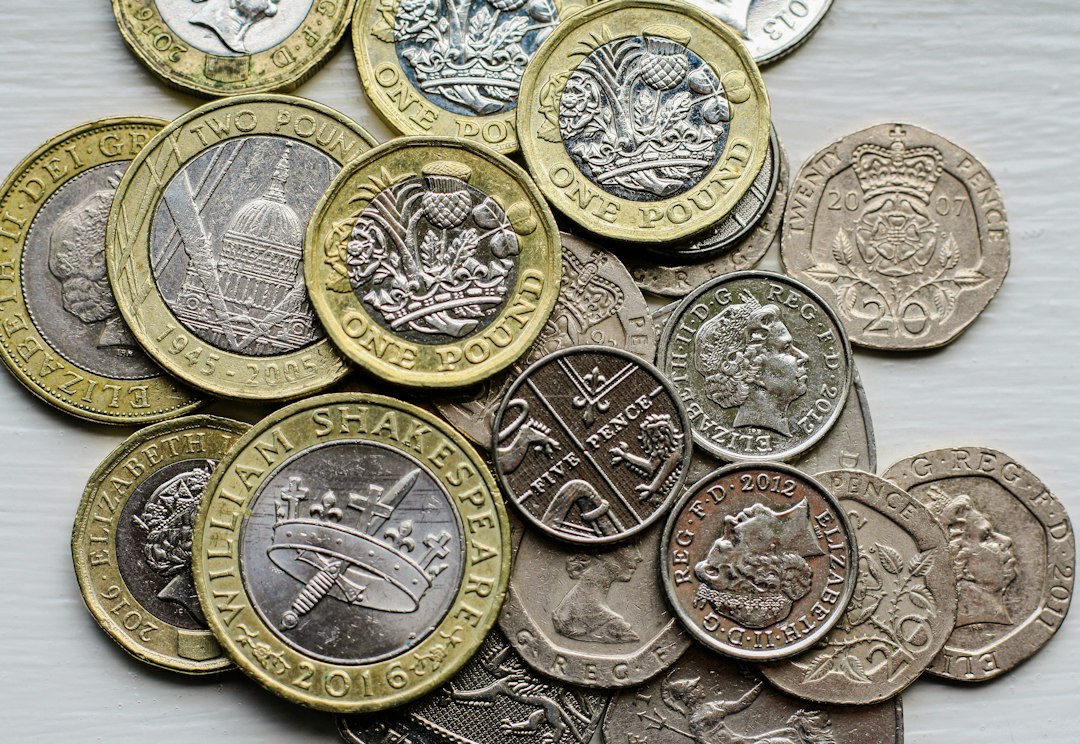
Photo by Sarah Agnew on Unsplash
If your bank balance has ever made your stomach drop because the car’s failed its MOT, the boiler’s packed in, or your hours got cut without warning — this is for you. An emergency fund isn’t a luxury for people who’ve already “got their act together.” It’s the thing that stops a bad week from turning into a bad year.
Most people don’t have one. If you’re starting from £0, you’re not behind some imaginary curve — you’re just starting where most people actually are. This article isn’t about getting you to some perfect number overnight. It’s about building a buffer, properly, in a way that fits a real income and real bills.
By the end, you’ll know how much to aim for, where to actually keep the money, and what to do this week to get moving — even if that’s £10.
What an emergency fund actually is (and isn’t)
An emergency fund is money set aside purely to cover unexpected essential costs — not holidays, not Christmas, not a new sofa because the old one’s a bit tired. Think: a broken boiler in January, redundancy, an emergency dental bill, your car dying and you needing it for work.
It’s not your savings for a house deposit. It’s not your pension. It’s not money sitting in a current account that you “probably won’t touch.” It’s a separate pot, with one job: to be there when something goes wrong.
The common misconception is that you need three to six months of your salary saved before it counts as a proper emergency fund. You don’t. What matters is three to six months of your essential outgoings — rent or mortgage, utilities, food, minimum debt payments, transport. That’s a much smaller, much more achievable number than most people think.
How much you actually need — and why “6 months’ salary” is bad advice for most people
The standard guidance (and the version used by MoneyHelper, the government-backed money guidance service) is 3–6 months of essential expenses. But that’s a target, not a starting point. If you’re on a low or irregular income, even one month of essentials saved puts you in a far stronger position than most people in the UK.
Work out your number like this:
- Add up your essential monthly outgoings — rent/mortgage, council tax, utilities, groceries, transport, insurance, minimum debt repayments.
- Ignore anything non-essential — streaming subscriptions, takeaways, gym memberships. Cut those before you’d ever need to touch the fund.
- Multiply by however many months feels realistic as a first target — start with one month.
| Household situation | Realistic first target | Longer-term target |
|---|---|---|
| Single income, renting, no dependants | 1 month essentials | 3 months essentials |
| Dual income household | 1 month essentials | 3 months essentials |
| Single income with dependants | 2 months essentials | 6 months essentials |
| Self-employed / irregular income | 2 months essentials | 6+ months essentials |
If your essential outgoings are £1,200 a month, a first-stage emergency fund of £1,200 is a genuinely meaningful achievement — not a consolation prize.
Where to actually keep it (not under the mattress, not in your current account)
This matters more than people think. The money needs to be: separate from your everyday spending, and accessible within a day or two — but not so accessible that you’ll dip into it for a night out.
Realistically, for a UK emergency fund, you’ve got three options:
| Option | Access speed | Good for |
|---|---|---|
| Easy-access savings account | Same day to 1–2 days | Most people — the standard choice |
| Cash ISA (easy-access) | Same day to 1–2 days | If you’re close to using up your Personal Savings Allowance |
| Current account “pot” or separate sub-account | Instant | Keeping it visually separate, low temptation if app-based |
Avoid locking this money away in fixed-term bonds or notice accounts where you’d face a penalty or delay to get it out — that defeats the point. Also avoid investing it in stocks and shares. Investments can drop in value right when you need the cash most — that’s not a risk worth taking with your safety net. Save that for money you won’t need for at least five years.
A separate easy-access savings account, kept apart from your current account, is the sensible default for most people. The slight friction of having to transfer it back is a feature, not a bug — it stops the fund quietly becoming your weekend spending money.
Building it when there’s genuinely nothing spare
If you’re thinking “this is all very well, but I don’t have £50 a month spare” — that’s real, and common. A few things that actually move the needle:
- Start stupidly small. £5 a week is £260 a year. It won’t feel like progress at first. It is progress.
- Automate it on payday, even if it’s a small amount, so it moves before you see it in your current account and mentally “spend” it.
- Redirect windfalls. Tax refunds, cashback, birthday money, a one-off bonus — these go straight into the fund rather than your spending account.
- Use a one-off clearout. Selling unused stuff (old phones, clothes, furniture) can realistically generate £100–£300 as a starting lump sum for a lot of households.
- Check if you’re owed money you don’t know about. Many people are on the wrong tax code, owed a refund, or missing benefits they’re entitled to. It’s worth checking via gov.uk rather than assuming there’s nothing there.
None of this is glamorous. That’s fine. An emergency fund isn’t built on a single clever trick — it’s built on small, repeated deposits that you don’t touch.
The debt question: save first, or pay off debt first?
This is the bit people get stuck on, and there isn’t a single right answer — but there is a sensible default.
If you have high-interest debt (credit cards, payday-style loans, store cards), it’s usually better to build a small starter emergency fund first — around £500–£1,000, or one month’s essentials — before aggressively paying down debt. Why? Because without any buffer, the next unexpected cost goes straight back on the credit card, and you’re stuck in a loop.
Once that small buffer exists, shift focus to clearing high-interest debt, then come back and build the fund up to the full 3–6 month target. Trying to do both at full speed simultaneously usually means neither happens properly.
If your debt is lower-interest (like a lot of UK student loan debt, which works differently from other debt and often isn’t worth overpaying), it’s more reasonable to build your emergency fund in parallel rather than waiting.
A realistic misconception to clear up: “I need the full amount before it counts”
People often don’t start because the end target feels unreachable — £6,000, £10,000, whatever their number works out to be. That number can feel so far off that starting with £20 feels pointless.
It isn’t. A partial emergency fund still does its job. £400 in savings won’t cover six months of essentials, but it will cover a car repair, an emergency vet bill, or a broken phone without you reaching for a credit card. Every stage of this fund is useful before it’s “finished.” There’s no threshold below which it doesn’t count.
What counts as a genuine emergency (so you don’t talk yourself out of using it)
The flip side of building the fund is knowing when to actually use it. A useful rule: if it’s unexpected, necessary, and urgent, it qualifies. If it’s expected, optional, or can wait — it doesn’t.
| Situation | Emergency fund? |
|---|---|
| Boiler breaks in winter | Yes |
| Redundancy or lost income | Yes |
| Car needed for work breaks down | Yes |
| Christmas presents | No — budget for this separately |
| Flight sale on holidays | No |
| Annual car insurance renewal | No — this is predictable, budget for it |
If you dip into it, that’s not failure — that’s exactly what it’s there for. The job afterwards is to start rebuilding it, not to feel bad about having used it.
The bottom line
- Work out your essential monthly outgoings (not your salary) and use that to set a realistic first target — even one month’s worth is a meaningful milestone.
- Open a separate easy-access savings account this week, specifically for this money, even if you fund it with £10 to start.
- Set up a small automatic transfer on payday, however modest — consistency matters more than amount.
- If you’re carrying high-interest debt, aim for a £500–£1,000 starter fund first, then prioritise clearing that debt before building the fund further.
- Redirect one windfall — a refund, bonus, or sale of unused stuff — straight into the fund this month to get it moving faster than payday transfers alone.
Next read: none