
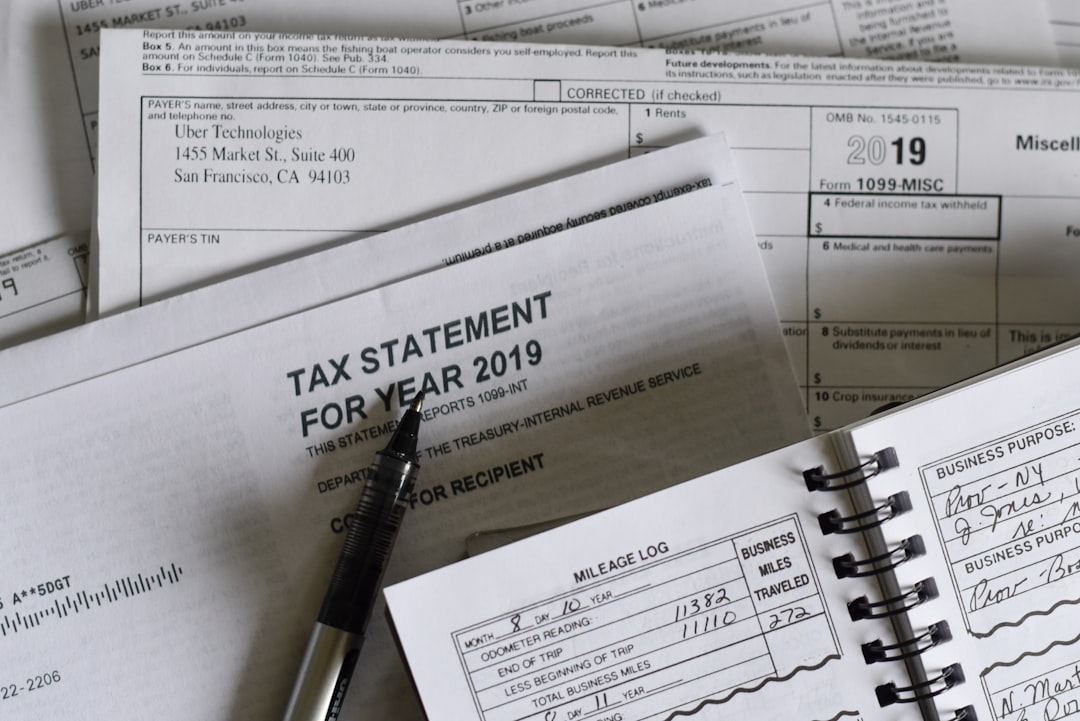
Photo by Olga DeLawrence on Unsplash
Facing a large tax bill can feel overwhelming, especially when you don’t have the cash on hand to pay it immediately. The good news is that tax authorities in both the UK and US offer payment plans that let you spread the cost over several months or even years. But setting up a payment plan is only half the battle – you need to budget properly to ensure you can actually afford those monthly payments.
Without proper budgeting, many people find themselves struggling to keep up with their tax payment plan, potentially facing additional penalties and interest charges. This guide will walk you through exactly how to create a realistic budget that accommodates your tax bill payment plan while keeping your other financial obligations on track.
Understanding Your Payment Plan Options
Before you can budget effectively, you need to understand what payment plan options are available to you. Both HMRC in the UK and the IRS in the US offer several types of payment arrangements.
In the UK, HMRC offers “Time to Pay” arrangements for various taxes including income tax, corporation tax, and VAT. These arrangements typically allow you to spread payments over 3 to 12 months, though longer periods may be possible in exceptional circumstances. You can apply online for debts up to £30,000, or by phone for larger amounts.
In the US, the IRS offers both short-term payment plans (120 days or less) and long-term installment agreements (more than 120 days). Short-term plans don’t require a setup fee if you pay electronically, while long-term plans have setup fees that vary based on your payment method and income level.
The key is to choose a payment plan that fits your actual financial situation, not just the longest possible term. While spreading payments over a longer period reduces your monthly obligation, it also increases the total amount you’ll pay due to interest and penalties.
Calculating Your True Tax Debt
Your first step in budgeting is to calculate exactly how much you’ll need to pay each month, including all associated costs. This isn’t just your original tax bill – it includes interest, penalties, and any setup fees.
Start by gathering all your tax documents and calculating your base tax liability. Then add any penalties that have already been applied. Late payment penalties in the UK are typically 5% of the unpaid tax after 30 days, with additional penalties at 6 and 12 months. In the US, the failure-to-pay penalty is usually 0.5% of your unpaid taxes each month.
Interest continues to accrue on both your unpaid tax and any penalties. HMRC publishes current interest rates quarterly, while the IRS updates rates quarterly as well. Factor this ongoing interest into your calculations when determining how long you want your payment plan to last.
Don’t forget about setup fees for longer-term payment plans. In the US, these can range from $31 for low-income taxpayers paying by direct debit to $225 for standard online applications. While these fees might seem small compared to your tax bill, they add to your total debt.
Creating Your Payment Plan Budget
Once you know your total monthly tax payment, it’s time to integrate this into your overall budget. Start by listing all your essential expenses: housing, utilities, food, transportation, minimum debt payments, and insurance.
Your tax payment should be treated as a priority expense, similar to your mortgage or rent. Late or missed payments can result in your payment plan being cancelled, leaving you responsible for the full balance immediately plus additional penalties.
Create a simple monthly budget worksheet:
| Category | Current Amount | With Tax Payment |
|---|---|---|
| Income (after tax) | £3,000 | £3,000 |
| Housing | £900 | £900 |
| Utilities | £150 | £150 |
| Food | £400 | £400 |
| Transportation | £200 | £200 |
| Insurance | £100 | £100 |
| Tax Payment | £0 | £300 |
| Other essentials | £200 | £200 |
| Available for other expenses | £1,050 | £750 |
This example shows how a £300 monthly tax payment reduces available spending money from £1,050 to £750. You’ll need to adjust your discretionary spending accordingly.
Finding Room in Your Budget
If your budget analysis shows you can’t afford the proposed tax payment, you have several options before accepting an unaffordable payment plan.
First, look for areas where you can temporarily reduce spending. Cancel or pause subscriptions you don’t absolutely need, eat out less frequently, and postpone non-essential purchases. Even small cuts can add up – saving £20 on subscriptions, £50 on dining out, and £30 on entertainment gives you an extra £100 monthly.
Consider ways to increase your income temporarily. This might mean taking on freelance work, selling items you no longer need, or picking up a part-time job. Even an extra £200-300 monthly can make a significant difference in your ability to handle a tax payment plan.
If you still can’t make the numbers work, contact the tax authority to discuss a longer payment plan or lower monthly amount. It’s better to be honest about what you can afford than to agree to payments you can’t maintain.
Review your other debts to see if you can temporarily reduce those payments. While you shouldn’t default on other obligations, some creditors may be willing to temporarily reduce payments if you explain your situation.
Setting Up Your Payment System
Once you’ve confirmed you can afford your monthly tax payment, set up a system to ensure you never miss a payment. Payment plan agreements can be cancelled for late or missed payments, so consistency is crucial.
Set up automatic payments if possible. Both HMRC and the IRS offer direct debit options that automatically withdraw your payment on the same date each month. This eliminates the risk of forgetting a payment and often qualifies you for lower setup fees.
Choose a payment date that works with your cash flow. If you’re paid monthly, schedule your tax payment for a few days after your payday. If you have irregular income, choose a date when you’re most likely to have funds available.
Create a separate savings account specifically for your tax payments if your income is irregular. Deposit money into this account throughout the month, so the funds are always available when your payment is due.
Set up calendar reminders or alerts on your phone for a few days before each payment is due. Even with automatic payments, it’s good practice to verify that sufficient funds are in your account.
Managing Cash Flow and Emergencies
Having a tax payment plan means you’ll have less financial flexibility, so it’s even more important to manage your cash flow carefully and prepare for emergencies.
Try to build a small emergency buffer even while making tax payments. This might only be £100-200, but it can prevent you from missing a tax payment if you face an unexpected expense like a car repair or medical bill.
Track your spending more closely than usual. Use a spending app or simply check your bank balance daily to ensure you’re staying on track. Small overspending in one category can quickly add up and jeopardize your ability to make your tax payment.
If you face a genuine financial emergency that threatens your ability to make a payment, contact the tax authority immediately. The IRS provides guidance on financial hardship situations, and both tax agencies would rather work with you than cancel your payment plan.
Consider the timing of other large expenses. If possible, delay major purchases or repairs until after your tax payment plan is complete. If you can’t delay them, factor them into your budget planning from the beginning.
Avoiding Future Tax Bill Surprises
While managing your current tax payment plan, take steps to avoid finding yourself in the same situation next year. This is especially important for self-employed individuals or those with variable income.
If you’re self-employed, start making quarterly estimated tax payments to avoid a large bill at year-end. Set aside 25-30% of your net self-employment income for taxes, depending on your tax bracket.
For employees who owe tax due to insufficient withholding, review your tax withholding with your employer. You may need to claim fewer allowances or request additional tax to be withheld from each paycheck.
Open a dedicated tax savings account and contribute to it monthly, even if it’s just £50-100. Having funds set aside specifically for taxes can prevent future payment plan situations.
Keep better records throughout the year to avoid tax preparation errors that can lead to unexpected bills. Use accounting software or apps to track deductible expenses and income sources.
Consider working with a tax professional, especially if your tax situation is complex. The cost of professional tax preparation is often less than the interest and penalties on a large unexpected tax bill.
Conclusion
Successfully budgeting for a tax bill payment plan requires honest assessment of your finances, careful planning, and disciplined execution. Start by calculating your true monthly obligation including interest and fees, then create a realistic budget that treats your tax payment as a priority expense.
Look for ways to reduce spending or increase income if needed, and always set up automatic payments to avoid missed payments that could cancel your agreement. Build a small emergency buffer and track your spending closely while your payment plan is active.
Most importantly, use this experience as motivation to avoid future tax surprises by making estimated payments, adjusting withholding, or setting aside tax money throughout the year. With proper planning and budgeting, you can successfully navigate a tax payment plan while maintaining your overall financial health.
Next read: Need help managing other monthly expenses? Read our guide on creating a realistic monthly budget: /create-realistic-monthly-budget