
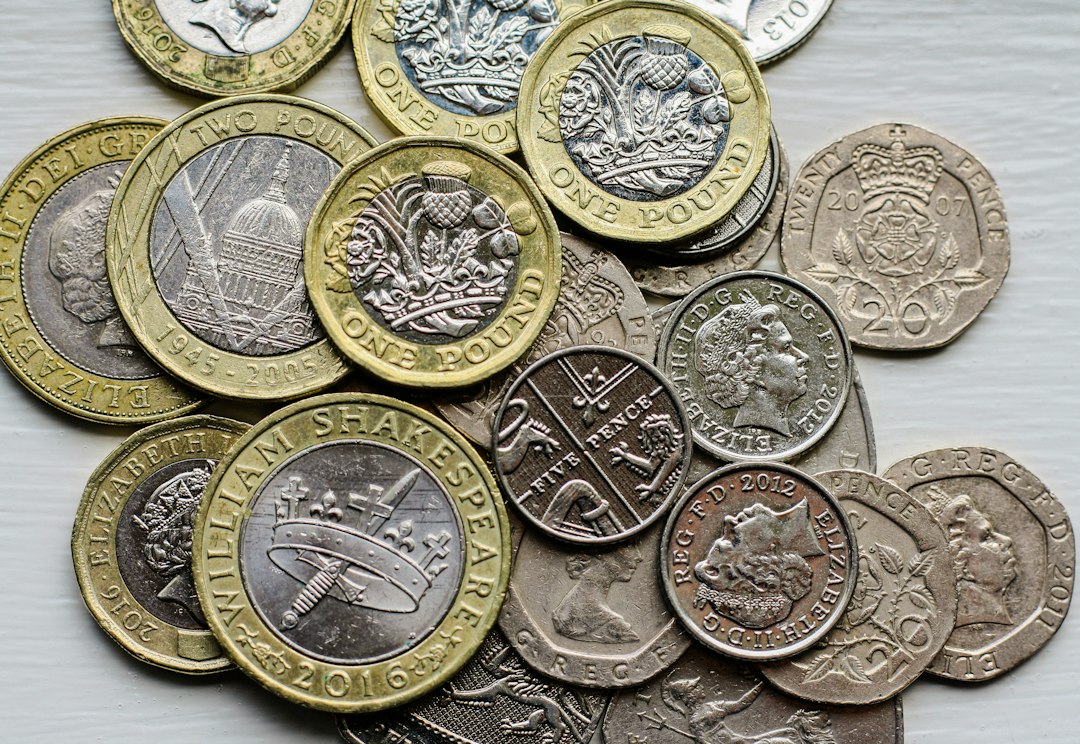
Photo by Sarah Agnew on Unsplash
Best Current Accounts UK with Cashback and Perks in 2026
Your current account shouldn’t just sit there holding your wages until they disappear on rent, bills and the weekly shop. A growing number of UK banks now pay you for the privilege of banking with them — whether that’s cashback on your household bills, freebies like travel insurance, or straight-up cash for switching over.
The tricky part is that the “best” account really depends on your habits. Someone who spends a lot on contactless card payments will benefit from a different account than someone who wants free breakdown cover or fee-free spending abroad. This guide breaks down the best current accounts UK cashback and perks options in 2026, how they actually work, and what to check before you switch.
By the end, you’ll know which type of account suits your lifestyle, what the catches usually are, and how to avoid losing money chasing a shiny switching bonus.
Why Banks Pay You to Switch or Spend
Banks make money from your everyday banking in ways that aren’t always obvious — overdraft fees, foreign exchange charges, and interest on the money sitting in your account (which they lend out). Offering cashback or a switching bonus is a marketing cost they’re willing to pay because a customer who switches in tends to stay for years, often adding savings accounts, mortgages or credit cards down the line.
That means the incentives are real, but they’re not charity. It’s worth reading the terms carefully, because many cashback accounts:
- Require a minimum monthly deposit (often £1,000–£1,500)
- Cap how much cashback you can earn each month
- Charge a monthly account fee that eats into your rewards
- Only pay cashback on certain bills paid by direct debit (like council tax or energy)
Types of Perks to Look Out For
Not all “perks” are equal. Broadly, current account rewards fall into four categories:
- Cashback on bills — a percentage back on direct debits for things like utilities, mobile phone contracts or council tax.
- Switching bonuses — a one-off cash payment (often £150–£200) for moving your account using the Current Account Switch Service.
- Lifestyle perks — free travel insurance, mobile phone insurance, breakdown cover, or airport lounge access, usually bundled into a fee-paying “packaged” account.
- Interest on your balance — some accounts pay a small amount of interest on money left in the account, which isn’t cashback but still adds up.
Packaged accounts (the ones with a monthly fee, typically £10–£20) can be worth it if you’d genuinely buy the insurance separately anyway. But if you’d never use airport lounge access or annual travel cover, you’re just paying for perks you won’t touch.
Comparing Popular Current Account Types
Here’s a general comparison of the kinds of accounts available in the UK market in 2026. Always check the current offer directly with the bank, as switching bonuses and cashback rates change frequently.
| Account type | Typical monthly fee | Cashback/perk style | Best for |
|---|---|---|---|
| Basic cashback account | £0–£3 | Small % cashback on selected bills | People who want simple, low-cost rewards |
| Switching bonus account | £0 | One-off cash payment (£150–£200) | People happy to switch banks for a lump sum |
| Packaged/reward account | £10–£20 | Travel insurance, breakdown cover, phone insurance | Frequent travellers or families who’d buy these anyway |
| Digital-first/app-based account | £0 | Round-up savings, budgeting tools, occasional retailer cashback | People who want budgeting features alongside rewards |
| Premium/private banking account | £15–£25+ | Concierge services, higher interest, lounge access | Higher earners with larger balances |
How to Work Out What a Perk Is Actually Worth
Before switching, do some rough maths rather than being swayed by the headline offer. A switching bonus of £175 sounds great, but if the account then charges you £5 a month in fees, you’ve lost £60 a year — meaning the “free” money isn’t quite as generous after three years.
For cashback accounts, look at your last three months of bank statements and check:
- How much you actually spend on eligible bills each month
- Whether you’d hit any minimum deposit requirement comfortably
- The monthly cashback cap (many accounts cap it at £5–£15 a month)
For example, if an account pays 3% cashback on your mobile and broadband bill, but caps total cashback at £5 a month, spending more won’t earn you extra — so it’s not worth switching purely for that if your bills are already low.
Don’t Ignore the Overdraft and Interest Rate Details
Cashback and perks are the fun part, but the boring details matter more day-to-day. Overdraft charges vary significantly between banks, and an account with brilliant cashback but a punishing overdraft rate could cost you far more if you occasionally dip into the red.
The Money Advice Service via MoneySavingExpert regularly compares overdraft rates and account fees across UK banks, which is worth checking before you commit. It’s also sensible to check the Financial Conduct Authority’s guidance on switching bank accounts to understand your rights and protections during a switch, including the seven-working-day switch guarantee.
Switching Without Losing Track of Your Direct Debits
The Current Account Switch Service (CASS) is used by most major UK banks and automatically transfers your direct debits, standing orders and incoming payments to your new account within seven working days. If something goes wrong — a missed payment or a fee charged as a result of the switch — you’re entitled to a refund under the switch guarantee.
Still, it’s worth double-checking manually that:
- Your salary payment details have updated with your employer
- Any recurring subscriptions (Netflix, gym memberships, insurance) have switched over correctly
- Your old account is properly closed once everything has moved, to avoid confusion or accidental fees
Weighing Up Digital Banks vs High Street Banks
Digital-only banks (app-based, no branches) have become popular partly because they’re transparent about fees and often include budgeting tools alongside occasional cashback offers with retail partners. High street banks, meanwhile, tend to offer more traditional packaged perks and are better suited if you want in-person support or a wider network of cash machines and branches.
Neither is objectively “better” — it depends on whether you value face-to-face banking or a slicker app experience with real-time spending notifications.
Conclusion
Finding the best current accounts UK cashback and perks options isn’t about chasing the biggest headline number — it’s about matching the account to how you actually bank and spend. Key takeaways:
- Check the real cost: monthly fees can quietly cancel out cashback or switching bonuses, so calculate the net benefit over a year, not just month one.
- Match perks to your lifestyle: packaged accounts with travel insurance or breakdown cover are only worth it if you’d genuinely use those extras.
- Look beyond the rewards: overdraft charges and everyday fees matter more long-term than a one-off switching bonus.
- Use the switch guarantee: the Current Account Switch Service protects you during the move, so there’s little risk in trying a new account.
- Review annually: cashback rates, switching bonuses and terms change often, so it’s worth checking once a year whether your current account is still the best fit.
The right account is the one that quietly rewards how you already live — not one that requires you to change your habits just to chase a bonus.
Next read: Thinking about switching banks? Read our guide on how to switch current accounts without the hassle: /switching-current-accounts-guide