
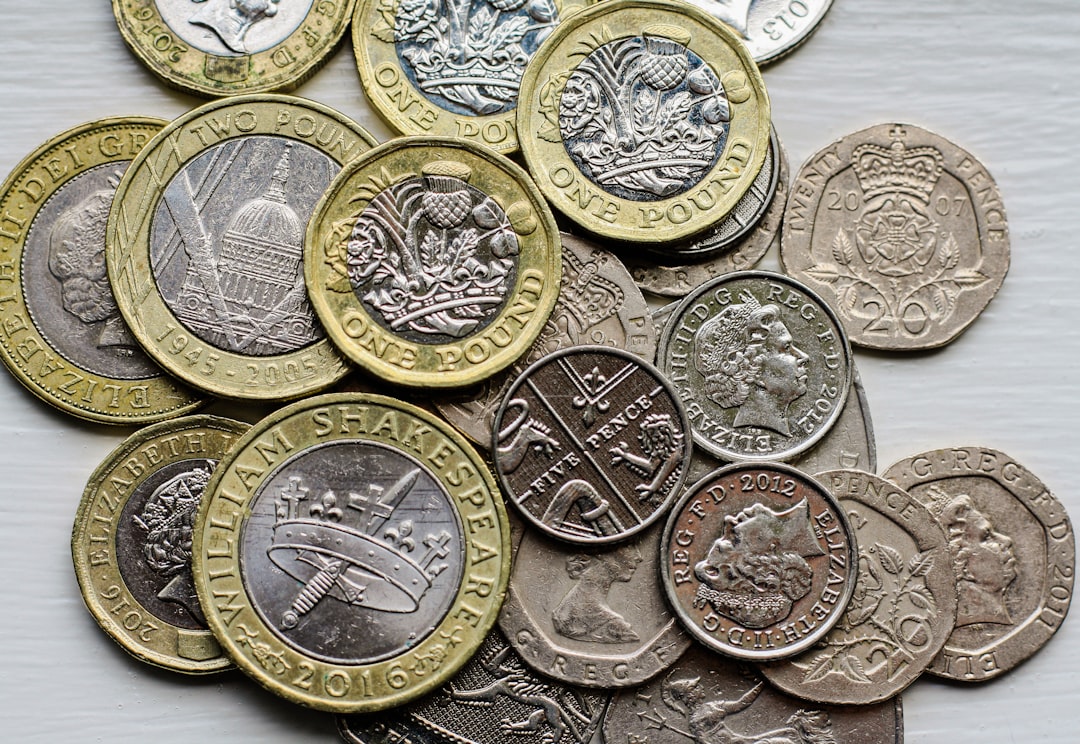
Photo by Sarah Agnew on Unsplash
Saving for a child is one of the most straightforward financial decisions you can make — start early, contribute consistently, and time does most of the work. The harder question is which account to use.
The main options in the UK are the Junior ISA (JISA), children’s savings accounts, and Premium Bonds. Each has different features, returns, and access rules. Here’s how to decide between them.
Junior ISA (JISA)
The Junior ISA is the government-backed tax-free savings wrapper for children under 18. There are two types:
Cash Junior ISA: Pays interest, similar to a savings account but with no tax on the interest. As of 2024/25, competitive rates are available from providers like Coventry Building Society, Nationwide, and Moneybox.
Stocks and Shares Junior ISA: Invests the money in the stock market. Over 10–18 years, this has historically significantly outperformed cash savings, though returns are not guaranteed.
Key features:
– Annual allowance: £9,000 per tax year (2024/25)
– Anyone can contribute (parents, grandparents, family friends) up to the £9,000 limit
– The child cannot access the money until they turn 18
– At 18, the JISA automatically converts to an adult ISA under the child’s control
– No tax on interest or investment gains
Who it’s for: The JISA is the most tax-efficient option for long-term savings and the clear choice if you’re planning to save consistently over many years. The stocks and shares version is particularly compelling if the child is young — a 5-year-old has 13 years of potential market growth before accessing the money at 18.
Children’s Savings Accounts
Regular savings accounts and easy-access savings accounts marketed to children work similarly to adult savings accounts. The main distinction from a JISA:
- Interest above £100/year on money gifted by parents is taxed as the parent’s income (anti-avoidance rules). Gifts from grandparents and other family members don’t have this restriction.
- The child can typically access the money before 18 (depending on the account terms)
- No contribution cap
Rates: Children’s savings accounts sometimes offer competitive rates, particularly children’s regular savers (which often pay higher introductory rates in exchange for regular monthly deposits). Halifax, Nationwide, and HSBC have historically offered children’s regular saver accounts with rates of 5%+.
Who it’s for: Useful if you want the flexibility to access the money before the child turns 18 — for school trips, a car at 17, or other purposes. Less suitable for long-term wealth building than a JISA.
Premium Bonds (for Children)
Premium Bonds can be held in trust for a child under 16 by a parent, grandparent, or legal guardian. The minimum purchase is £25, and up to £50,000 can be held.
Premium Bonds don’t pay interest. Instead, they enter a monthly prize draw with prizes from £25 to £1 million. The “prize fund rate” (which approximates the equivalent interest rate) is 4.40% as of January 2025, but your actual return in any given year could be higher or lower depending on luck. The average return evens out over many years, but a child with a small holding may win nothing for long stretches.
All prizes are tax-free.
Who it’s for: Premium Bonds are popular gifts from grandparents and other family members because they’re easily purchased at NS&I (nsandi.com), are government-backed (zero risk of loss), and carry the excitement of a monthly prize draw. They’re reasonable for small amounts or as a gift, but over long periods and for serious wealth building, a stocks and shares JISA is almost certainly a better choice.
Which Should You Choose?
| Situation | Best option |
|---|---|
| Long-term savings (10+ years) | Stocks and Shares JISA |
| Medium-term savings (5–10 years) | Cash JISA or children’s savings account |
| Want flexibility before age 18 | Children’s savings account |
| Gift from grandparent, small amount | Premium Bonds (convenient, safe) |
| Maximising returns over 18 years | Stocks and Shares JISA |
The numbers over time make the stocks and shares JISA compelling. £100/month from birth at 7% average annual return (historically reasonable for a diversified global index fund) produces approximately £38,000 by the child’s 18th birthday. The same amount in a cash account at 3% produces approximately £28,000. The difference — £10,000 — is the value of investment growth over cash over 18 years.
How to Open a Junior ISA
You can open a JISA through banks, building societies, and investment platforms:
- Cash JISA: Coventry Building Society, Nationwide, Moneybox (currently offering competitive rates)
- Stocks and Shares JISA: Hargreaves Lansdown, AJ Bell, Vanguard, Fidelity, Moneybox
For the stocks and shares version, a simple global index tracker (such as the Vanguard FTSE Global All Cap or similar) is a reasonable default for most families — low charges, diversified, no active management decisions required.
Summary
For long-term child savings, the Junior ISA is the best product:
- Stocks and Shares JISA is the top choice for under-10s — 8–13 years of investment growth significantly outperforms cash over those timescales
- Cash JISA makes more sense for a 14 or 15-year-old where market timing risk becomes a real concern
- Children’s savings accounts beat JISAs only if you need flexibility before the child turns 18
- Premium Bonds are fine for small gifts but shouldn’t be the main savings vehicle for building meaningful capital
- The earlier you start, the more impact compound growth has — a JISA opened at birth for £50/month is worth dramatically more than the same total saved from age 10
Next read: What is a Lifetime ISA and who should open one? | https://moneyunpacked.co.uk/what-is-a-lifetime-isa-and-who-should-open-one/